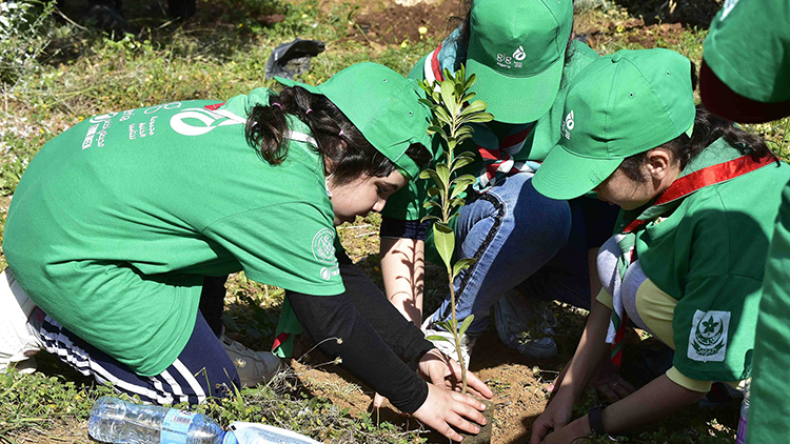
Algerian schools are set to launch the "Green School" project (مشروع “المدرسة الخضراء”) at the start of the new academic year, a new initiative designed to combat fires and foster environmental citizenship. The project aims to counter blazes by cultivating citizen awareness and daily pro-environmental behaviors, beginning within educational institutions. This full program, officially known as the "Green School" project, is specifically designed to address the pressing issue of fires that have impacted various regions across Algeria. Officials stated that the severe conditions experienced by some provinces due to fires serve as a turning point, transforming pain into awareness, awareness into behavior, and ultimately establishing a firm societal culture around prevention. This initiative shows a national commitment to environmental protection and fire prevention, recognizing that these critical tasks require widespread citizen awareness and consistent daily behavior, with schools serving as the foundational starting point. The "Green School" initiative will encompass various activities including tree planting, maintaining green spaces, organizing cleaning campaigns, establishing environmental clubs, creating awareness posters, and holding information days focused on fire prevention.
Project Components and Goals
The "Green School" project incorporates several practical environmental activities within educational institutions across Algeria. These activities include extensive tree planting (غرس الأشجار) initiatives, regular cleaning campaigns (حملات النظافة) to maintain hygienic and aesthetically pleasing school environments, and the establishment of dedicated environmental clubs (نواد بيئية) for students. These clubs will serve as platforms for students to engage more deeply with environmental issues, fostering a sense of collective responsibility. A core objective of the "Green School" project is to instill fundamental values of citizenship (المواطنة) and solidarity (التضامن) among students from a young age, recognizing that these values are key for effective environmental stewardship and community action. By fostering these deeply ingrained values, the project aims to cultivate a generation that actively participates in protecting their natural surroundings.
Officials behind the initiative emphasize that schools should evolve beyond being mere centers for academic knowledge acquisition. Instead, they are envisioned as dynamic spaces for active environmental practice, where theoretical knowledge about environmental protection is directly translated into tangible actions. This approach seeks to transform learning into practical application, embedding environmental consciousness into the daily lives of students. Such behaviors include refraining from littering, actively conserving trees, rationalizing water use, avoiding pollution, and promptly reporting dangerous environmental practices to authorities. The project aims to make environmental responsibility an intrinsic part of the school experience, ensuring that students develop habits that contribute to a healthier planet. This transformational goal envisions the school as a living laboratory for environmental action, where every student plays a role in fostering a sustainable future.
The ultimate aim of the "Green School" project is to cultivate a generation of aware and responsible citizens. These citizens are expected to understand that the critical task of protecting forests and the broader environment begins with simple, consistent daily actions. By integrating these practices into the school environment, the project intends to foster a deep-rooted sense of environmental stewardship that extends beyond the classroom and into the wider community. This holistic approach seeks to ensure that environmental protection and fire prevention are not just abstract concepts but practical, everyday commitments, starting with the youngest members of society. The project’s full design, therefore, aims to build a sustainable culture of environmental responsibility from the ground up.
Educational Integration and Expert Proposal
Educational expert Oumr Ben Aouda (عومر بن عودة) proposed that the first lesson of the 2026-2027 school year be dedicated to environmental culture. This specific proposal notes the importance of integrating environmental education at a key moment in the academic calendar. The suggested lesson aims to instill a culture of environmental conservation, show the importance of forests and biodiversity, and raise awareness among students about the dangers of fires. Ben Aouda stated that such a lesson would also promote preventive behavior, foster individual and collective responsibility for environmental well-being, and emphasize the protection of public property, which often falls victim to environmental degradation and fires. This introductory lesson would set a key tone for the entire academic year, emphasizing the school’s commitment to environmental values.
Ideas for the proposed lesson include exploring the intricate relationship between the environment and human health, detailing the importance of forests for soil protection and air purification, and examining the various causes of fires, particularly those linked to human behavior. Ben Aouda stressed that preventive aspects should be emphasized in the curriculum before discussing intervention strategies, advocating for a proactive rather than reactive approach to environmental challenges. This focus on prevention is deemed critical for fostering long-term behavioral change and understanding among students.
The expert further suggested adapting the lesson to different educational levels to ensure maximum impact and comprehension. For primary school students, the content should be simple, incorporating engaging elements such as images, stories, and songs to make learning accessible and enjoyable. Middle school students would delve into explaining the causes and effects of environmental issues, potentially through small projects that encourage hands-on learning and critical thinking. At the secondary level, the topic could be deepened to include more complex concepts like climate change, sustainable development, and research methodologies, preparing students for advanced engagement with environmental science. This tiered approach ensures that environmental education is age-appropriate and progressively challenging.
Community Involvement and Broader Impact
Recent fires have affected several provinces (ولاية) in Algeria, resulting in significant human, environmental, and material damage. These devastating events show the urgency and relevance of the "Green School" project. To address these concerns and integrate practical action, students participating in the "Green School" project are actively encouraged to report dangerous behaviors they observe in their communities and prepare research on fire prevention. This hands-on involvement transforms students into active environmental monitors and advocates. The initiative aims to integrate broader community engagement, with Civil Protection (الحماية المدنية), forestry services (مصالح الغابات), municipalities (البلديات), and environmental associations potentially involved in supervising activities and educational efforts. This collaborative model ensures that the project benefits from diverse expertise and resources, reinforcing its reach and effectiveness.
Officials involved in the project assert that environmental education, introduced as an entry point for the school year, can send a strong message that the Algerian school is forming aware, responsible citizens who contribute to protecting their environment and country. This strategic placement of environmental topics at the beginning of the academic year signifies its critical importance. They emphasize that fire prevention can begin with a simple word in the classroom but possesses the potential to save an entire forest, noting the profound ripple effect of early education and awareness. This powerful message reinforces the idea that collective action, spurred by individual understanding and responsibility, is the most effective defense against environmental threats. The "Green School" project, therefore, stands as a testament to Algeria's commitment to nurturing an environmentally conscious and proactive citizenry for the future.