The UNESCO World Heritage Centre confirmed that the Algerian file meets all technical requirements of the 1972 World Heritage Convention. This decision marks a significant step forward for the preservation of royal mausoleums in the region. Regarding the status of the application, the Ministry of Culture and Arts statement noted: "مركز التراث العالمي لليونسكو أكد استيفاء الملف الجزائري لجميع المتطلبات التقنية المحددة في التوجيهات التنفيذية لاتفاقية التراث العالمي 1972." Officials in Algeria now await the final evaluation process following this validation of their documentation. The submission covers multiple archaeological sites across the country, aiming for formal recognition under the international body’s protection standards. Further review of the cultural properties will continue according to the established protocols of the organization.
The nomination file is full in its scope, focusing on the preservation and recognition of significant funerary structures. The documentation provided to the international committee details the architectural and historical significance of these locations. Further review of the cultural properties will continue according to the established protocols of the organization to ensure that every site meets the rigorous standards required for global heritage status.
Scope of Nomination File
Archaeological documentation included in the nomination file spans royal mausoleums dating from the 4th century BC to the 6th century AD. These structures represent a historical timeline of regional funerary architecture and royal practices. The inclusion of these sites in the nomination process notes the long-standing tradition of monumental construction in the region.
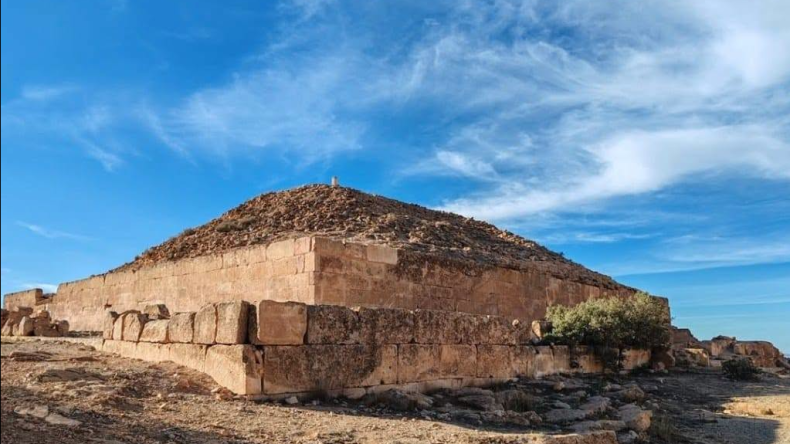
Five specific sites are identified within the submission for international recognition. These locations are Imedghassen in Batna, the monument of Massinissa in Constantine, Siga in Ain Temouchent, Abalessa-Tin Hinan in Tamanrasset, and the Djedar mausoleums located in Tiaret. Each of these five sites serves as a testament to the cultural legacy intended for preservation under the international mandate.
Administrative procedures regarding the global selection process remain competitive. Out of 60 total nomination files submitted for consideration, only 35 were accepted and referred to advisory bodies for further technical evaluation. The Algerian file is currently part of this smaller group of candidates undergoing formal review. This high level of competition shows the importance of the technical compliance achieved by the Algerian documentation team.
Specialized advisory bodies have moved the application forward to verify the cultural property claims. The Ministry of Culture and Arts confirmed the transition of the dossier into this current phase, stating: "أدرج بذلك ضمن مسار التقييم الأولي من قبل الهيئات الاستشارية المختصة." This inclusion places the sites into the preliminary evaluation process managed by the international organization. The file has been included in the preliminary evaluation process by specialized advisory bodies, which will now conduct site-specific assessments. These assessments are critical for the final determination of the nomination's success. The Ministry of Culture and Arts continues to coordinate with these bodies as the evaluation proceeds through the established administrative channels of the international organization.