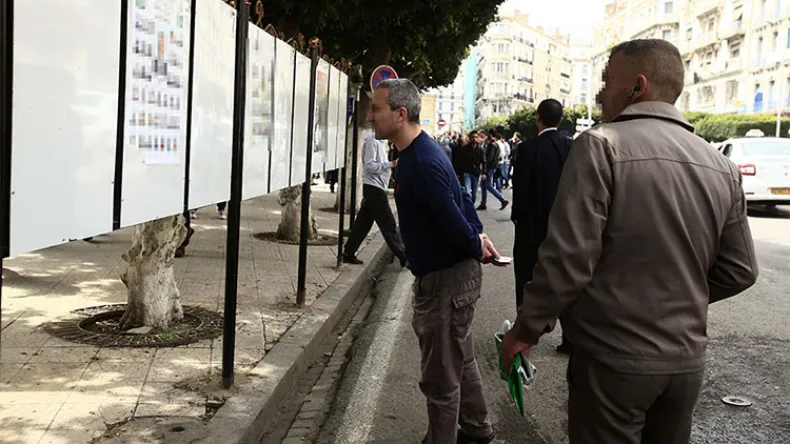
Algeria is preparing for local elections for municipal and provincial popular assemblies, which are scheduled for 28 November 2026. The Independent National Authority for Elections has begun notifying political parties of the rejection of certain candidate files submitted for the upcoming vote. Officials at the Independent National Authority for Elections are currently processing the eligibility of all registered participants. Political organizations are receiving official notices regarding the status of their applicants as the review period continues. These notifications mark the latest administrative update in the electoral process ahead of the late November polling date. Lamine Osmani and other representatives are monitoring the impact of these disqualifications on the final ballot composition. Echorouk has reported on the ongoing verification process being conducted by the electoral body.
The administrative review conducted by the Independent National Authority for Elections involves a systematic examination of documentation provided by every political party. This vetting phase is a standard component of the preparations for the local elections for municipal and provincial popular assemblies that are scheduled for 28 November 2026. As the review proceeds, the Independent National Authority for Elections provides detailed feedback to the political leadership of each organization. This feedback specifies the reasons for the refusal of specific candidate files, allowing parties to assess their legal standing. The process requires parties to maintain constant communication with the central offices of the Independent National Authority for Elections to ensure that all administrative requirements are understood.
Parties Challenge Election Rejections
Lamine Osmani, head of the Voice of the People party, visited the capital to personally plead on behalf of rejected candidates after the Independent National Authority for Elections refused 13 files submitted by his organization. He engaged with officials to contest the administrative decisions regarding these specific applicants. The party leadership intends to secure the reinstatement of these candidates before the final ballot composition is established for the 28 November 2026 local elections. By traveling to the capital, Lamine Osmani sought to address the discrepancies identified by the Independent National Authority for Elections directly with the personnel responsible for the oversight of the candidate files.
Political parties are currently covering legal fees for their rejected candidates to facilitate these formal challenges. These financial costs can reach or exceed 5 million centimes per individual case. Organizations are managing these expenses as they navigate the appeal process established by the electoral body. Echorouk has reported that the verification process remains active, requiring parties to manage both the administrative hurdles of disqualification and the associated legal expenditures for every contested file.
The financial burden of these legal challenges is a significant concern for the political parties participating in the 28 November 2026 local elections. Because the cost of 5 million centimes per file applies to each individual application contested, the cumulative expenditure for a party with multiple rejected files can be substantial. These funds are allocated to ensure that each candidate has formal representation during the review of their eligibility status. The Independent National Authority for Elections continues to oversee the submission of these appeals as the deadline for finalizing the ballot approaches. Echorouk notes that the engagement between the party representatives and the electoral body is ongoing, with each side reviewing the documentation necessary to reach a final determination for every candidate. The outcome of these appeals will determine the final list of participants for the municipal and provincial popular assemblies.