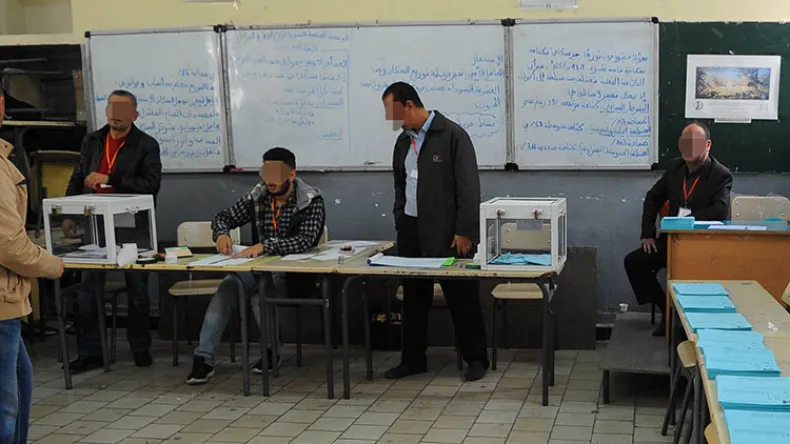
Algerian political parties are accelerating their activities as the country prepares for local elections scheduled to take place on 28 November 2026. The official election campaign entered its second week on 10 November 2026, marking a significant phase in the electoral process across Algeria. Candidates and party representatives are intensifying their outreach efforts to secure voter support before the polls open later this month. These upcoming elections will determine the composition of local assemblies throughout the nation. Political organizations continue to focus their resources on regional platforms to address the specific concerns of their constituents. All participating entities must adhere to the established campaign timeline as the date for the local elections approaches.
The local elections in Algeria are scheduled to take place on November 28, 2026, serving as a key moment for local governance. As the election campaign for the local elections entered its second week as of November 10, 2026, political entities have transitioned into a more rigorous phase of public engagement. This period is characterized by increased activity in town squares, community centers, and local media channels, where candidates work to present their agendas to the electorate. The parties are operating under strict regulatory guidelines that govern how they interact with voters and how they conduct their promotional activities during this final stretch of the campaign.
Electoral Law Observer Regulations
The electoral law sets a maximum limit of five representatives per polling station to monitor the voting process. Authorities designed this cap to maintain order and ensure that monitoring activities do not obstruct the work of election officials.
National regulations mandate the use of consensus or a lottery system to distribute these observer positions when the number of registered political lists exceeds the allowed limit per polling station. This mechanism aims to provide a fair opportunity for all participating groups to oversee the conduct of the ballot. Political parties must coordinate with one another to reach an agreement on which representatives will be present, or they must accept the outcome of a randomized draw if no consensus is reached. The electoral law mandates the use of consensus or a lottery system to distribute observer positions when the number of lists exceeds the allowed limit per polling station, ensuring that the oversight process remains structured and transparent.
In many municipalities, the number of competing party lists is low, sometimes not exceeding three or four lists. These smaller fields of candidates mean that the competition for observer spots is less intense in many regions. In these areas, the total number of lists remains below the five-representative threshold, allowing all groups to maintain a presence at the stations without requiring a lottery. Elections officials anticipate that the current distribution of lists will simplify the oversight process in most local voting districts. By minimizing the need for randomized selection in less competitive districts, the authorities expect that the presence of party representatives will be more consistent and predictable, thereby fostering greater confidence in the integrity of the electoral process as the nation prepares for the upcoming vote.