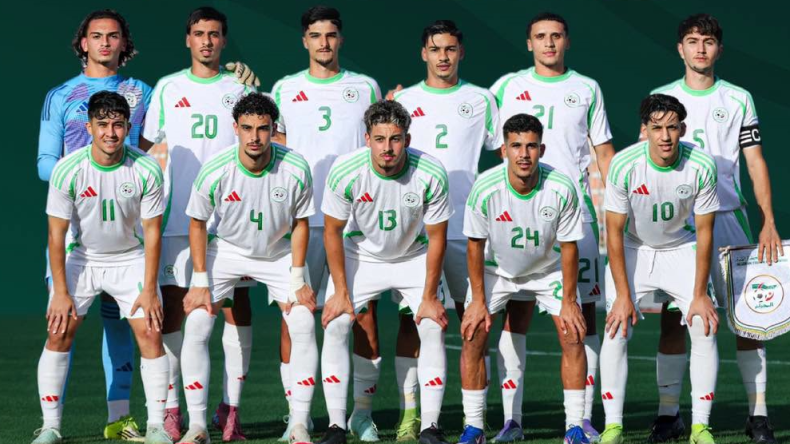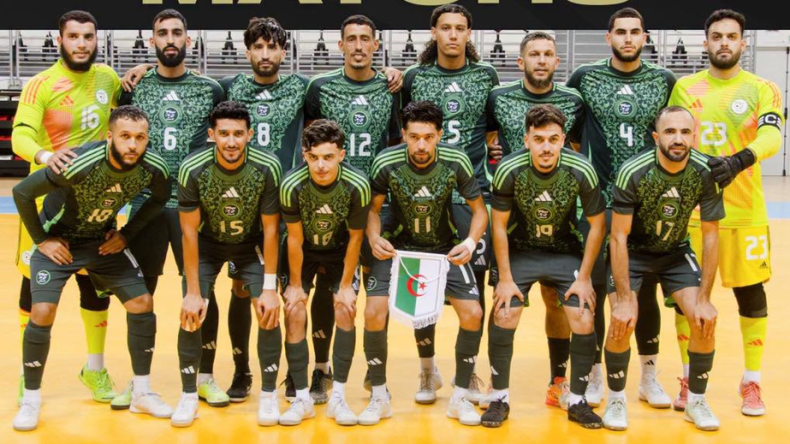
Many followers and experts on the Algerian national football team agree that most foreign coaches who have managed the squad over the years have experienced abject failure. Since the beginning of the millennium, spanning a quarter of a century, approximately 12 coaches from various European schools have been appointed, but significant success has been limited to a select few names. This pattern has led to widespread sentiment among fans and pundits alike that while some technicians have left a lasting positive mark, the majority have fallen short of expectations. "Many followers and experts agree on the abject failure of most foreign coaches who have managed the national team over the years," stated many followers and experts, showing a consistent narrative of disappointment.
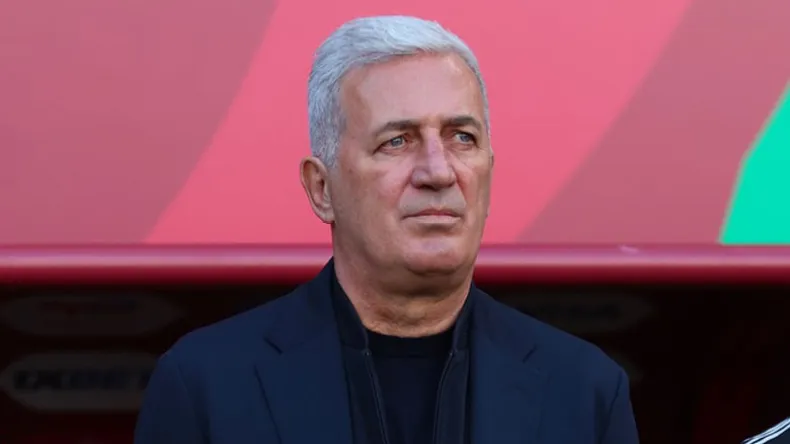
Bosnian coach Halilhodžić is widely considered the most successful foreign coach, having led the team to the second round of the 2014 World Cup, a significant achievement in the nation's football history. Frenchman Gourcuff also left his mark by guiding the team to the quarter-finals of the 2015 Africa Cup of Nations (CAN), demonstrating a period of competitive performance. More recently, Petković is credited with reaching the quarter-finals of CAN 2025 and securing qualification for the 2026 World Cup in America, where the team advanced to the second round, further solidifying his positive contribution. Notably, the team won the prestigious 2019 CAN title under the leadership of Djamel Belmadi, an achievement that brought immense national pride. "While some technicians, such as Raikov and Rogov in the eighties, and more recently Halilhodžić, Gourcuff, and Petković, left their mark with 'The Greens,' the rest of the names failed miserably, plunging the national team into a spiral of shocks, setbacks, and disappointments," according to many followers and experts, noting the stark contrast between the few successes and numerous failures.
A Pattern of Disappointment
Coaches from Belgian, Romanian, and Spanish schools, including Georges Leekens, Robert Waseige, Pégola, and Lucas Alcaraz, were particularly unsuccessful and costly for the Algerian national team. Their tenures often resulted in missed qualifications and significant financial outlays for the Algerian Football Federation (FAF). Romanian coach Pégola managed the team between March and December 1998, encountering setbacks during the qualifiers for the Africa Cup of Nations (CAN) 2000, failing to steer the squad to the continental tournament.
Georges Leekens had two distinct stints as manager, both marked by brevity and limited success. His first period was in the first half of 2003, during which he managed only one match against Namibia before departing after less than seven months, signaling an early end to his initial tenure. He returned to manage the team for CAN 2017, replacing Milovan Ražovac, who had been dismissed following a draw against Cameroon in the 2018 World Cup qualifiers. Despite his return, Leekens' second spell also failed to produce the desired results, contributing to the team's ongoing struggles.
Belgian coach Robert Waseige is frequently cited as one of the least successful coaches in the team's history. He managed the team between May and September 2004, failing to secure qualification for CAN 2006 during his brief tenure. This quick turnover and lack of achievement became a recurring theme for many foreign coaches. Another Romanian coach, Valentin Măcri, managed the team from 1974 to 1975 and similarly failed to qualify for both CAN 76 and the Olympics, showing a long-standing challenge with certain foreign appointments. These instances collectively illustrate a persistent pattern of managerial instability and underperformance for the Algerian national team under specific foreign coaches, often leading to missed opportunities on the international stage.
The negative record of coaches extended into the new millennium. His compatriot Raduljko worked with Jeddaoui between September 2000 and February 2001, recording a negative record during his tenure, which further contributed to the team's struggles in the early 2000s. Frenchman Michel Cavalli also failed to qualify the team for the Africa Cup of Nations (CAN) 2008 following a key loss to Guinea, marking another missed opportunity for the national squad. This period of managerial instability coincided with the national team missing three Africa Cup of Nations tournaments, specifically in 2006, 2008, and 2012, noting a significant decline in continental competitiveness. Algeria did not qualify for four World Cup tournaments, missing the editions in 2002, 2006, 2018, and 2022, indicating a broader struggle to reach the global stage.
Notable Exceptions and Their Impact
Despite the frequent disappointments, several foreign coaches managed to achieve significant milestones, carving out a positive legacy. Frenchman Lucien Leduc, the first coach after Algeria's independence, led the national team to qualify for the Africa Cup of Nations (CAN) in 1968, marking an important early success for the newly independent nation's football program. This achievement laid a foundational stone for future aspirations.
Serb Rajkov also achieved significant results during his time, guiding the team to the final of CAN 1980, where they demonstrated strong competitive spirit. Under his leadership, the team also secured a bronze medal at the Mediterranean Games, showcasing their prowess in regional competitions. Rajkov's tenure saw the team reach the quarter-finals of the Olympics, an impressive feat that demonstrated the squad's potential on a global athletic platform.
Russian Rogov contributed significantly to the national team's international profile, playing a key role in their qualification for the 1982 World Cup, a moment of immense national pride and a significant step onto the global football stage. Rogov's tenure also saw the team secure third place in CAN 1988, marking another period of success for the Algerian squad and reinforcing its position among Africa's elite.
The Algerian national team reached the semi-finals of CAN 2010 under the management of Rabah Saâdane, a performance that captivated the nation and demonstrated the team's resurgence. This notable performance was part of a broader pattern of World Cup qualifications that saw the team participate in the global tournament three times. The first of these qualifications was for the 2010 World Cup with Saâdane at the helm, ending a long drought from the premier international competition. This was followed by another qualification for the 2014 World Cup under the astute guidance of Halilhodžić, where the team advanced to the second round, achieving their best-ever World Cup performance. More recently, Petković led the team to qualify for the 2026 World Cup, continuing the tradition of reaching the sport's highest stage. The team also celebrated a major triumph by winning the CAN 2019 title with Belmadi, a victory that brought widespread jubilation across Algeria.
Financial and Managerial Costs
The frequent changes in coaching staff for the Algerian national team have not only impacted performance but have also incurred substantial financial costs for the Algerian Football Federation (FAF). The dismissal of Spanish coach Lucas Alcaraz, for instance, incurred significant financial costs, with compensation paid amounting to no less than 20 billion centimes. This substantial payout shows the financial burden associated with prematurely terminating coaching contracts, especially when results fall short of expectations. Alcaraz's departure followed a series of disappointing results during his tenure, leading to the decision to part ways.
The Algerian Football Federation (FAF) has also faced financial outlays for other coaching changes, which collectively add up to a considerable sum. Dismissing former coach Milovan Ražovac, for example, cost the FAF $80,000 in compensation. These payouts reflect the significant financial implications of frequent managerial changes within the national team, diverting funds that could otherwise be used for player development, infrastructure, or other footballing initiatives. The substantial compensation packages paid to departing coaches, such as the 20 billion centimes for Alcaraz, show the financial burden associated with the high turnover rate of managers for the Algerian national squad. These costs contribute to the overall financial and managerial challenges faced by the national football program, often hindering long-term planning and stability.
Tenure and Stability
The tenure of coaches for the Algerian national football team has varied significantly over the past 26 years, reflecting a broader pattern of instability in leadership. Coach Djamel Belmadi maintained the longest period at the helm, lasting 5.5 years, a tenure that brought the team considerable success, including the 2019 Africa Cup of Nations title. Rabah Saâdane and Vahid Halilhodžić each served for three years, providing periods of relative stability and notable achievements, such as World Cup qualifications. Christian Gourcuff and Vladimir Petković both had tenures spanning two years with the squad, contributing to specific tournament cycles.
In stark contrast to these longer-serving individuals, other coaches experienced significantly shorter stints, noting a rapid turnover rate. Jean-Marc Cavalli managed the team for only 17 months, an example of the short-term nature of many appointments. A pattern of rapid turnover is evident, as seven different coaches lasted less than a year in their roles, indicating a quick trigger finger from the federation when results did not materialize immediately. Further illustrating this instability, an alarming eleven coaches departed after serving for less than six months, signifying an extreme lack of continuity and long-term vision in many of these appointments. This high rate of turnover has often been cited by critics as a major impediment to building a cohesive and consistently performing national team.
Expert and Fan Perspectives
The sentiment among experts and fans is largely consistent: while some coaches, such as Rajkov and Rogov in the 1980s, and Halilhodžić, Gourcuff, and Petković more recently, left a positive impact, many others are widely considered to have failed. This sentiment is reinforced by specific instances of underperformance and missed opportunities. His compatriot Raduljko, for example, worked with Jeddaoui between September 2000 and February 2001, recording a negative record during his tenure, which contributed to a period of struggle for the national team.
Frenchman Michel Cavalli also failed to qualify the team for the Africa Cup of Nations (CAN) 2008 following a key loss to Guinea, a result that disappointed fans and noted the team's inability to consistently reach major tournaments. This period of managerial instability coincided with the national team missing three Africa Cup of Nations tournaments, specifically in 2006, 2008, and 2012, marking a significant decline in their continental competitiveness. Algeria did not qualify for four World Cup tournaments, missing the editions in 2002, 2006, 2018, and 2022, showing a broader struggle to maintain a consistent presence on the global stage. The consistent pattern of foreign coaches failing to meet expectations, coupled with the financial burden of their dismissals, continues to be a central topic of discussion among Algerian football enthusiasts and analysts.