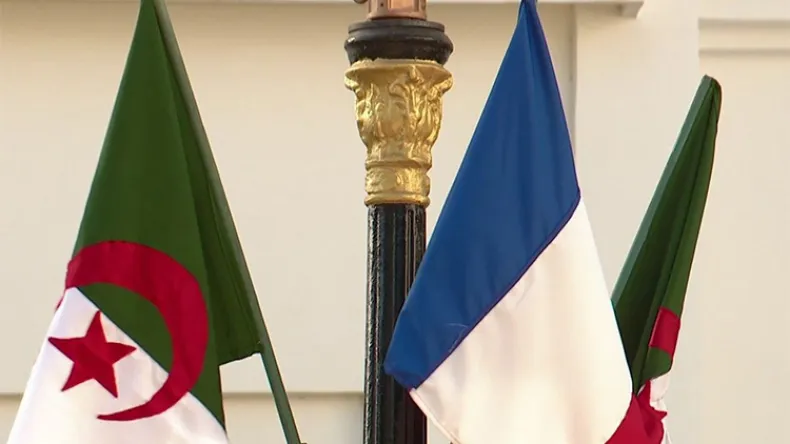
Relations between Algeria and France are currently experiencing a historic and decisive turning point. This assessment characterizes the state of affairs between the two nations, indicating a critical juncture in their diplomatic and political engagements. The evolving relationship is set against a backdrop of broader geopolitical shifts, influencing the strategic dialogue and interactions between Algiers and Paris. This period marks a significant re-evaluation of historical ties and future collaborations, with both nations navigating complex issues that span decades of shared history and contemporary geopolitical interests. The current trajectory suggests a fundamental shift in the power dynamics and strategic priorities defining the bilateral relationship, moving away from past paradigms and towards a new, more assertive stance from Algeria.
Echoes of Colonialism and Nuclear Scars
French colonialism in Algeria spanned 132 years, a period that continues to shape contemporary relations between the two nations. This prolonged occupation, from 1830 to 1962, left an indelible mark on Algeria's national identity and its perception of France. A significant point of contention for Algeria is the claim that France still retains the skulls of Algerian resistance fighters and martyrs in the "Museum of Man" in Paris. These remains, viewed as symbols of Algerian sovereignty and resistance against colonial rule, represent a deeply emotional and symbolic issue for the Algerian people. The repatriation of these skulls is a persistent demand, showing the ongoing struggle for recognition and redress of historical injustices. The presence of these artifacts in a French museum is seen by many Algerians as a continued affront to their national dignity and a painful reminder of the colonial past.
Beyond the colonial legacy, France conducted nuclear tests in the Algerian Sahara, an issue that remains a source of tension and deep resentment. The first of these tests, codenamed "Blue Gerboise," took place on February 13, 1960, in Reggane. This initial explosion registered a force five times greater than that of the Hiroshima bomb, marking a devastating entry into the nuclear age for the region and noting the immense destructive power unleashed on Algerian soil. The sheer scale of this initial test set a precedent for the subsequent series of explosions, which continued to impact the environment and population for years. The selection of Algerian territory for these tests, particularly after the country had begun its struggle for independence, is viewed as a profound violation of its sovereignty and a disregard for the well-being of its people.
A total of 17 nuclear explosions were conducted by France in Algeria, comprising four above-ground tests in Reggane and 13 underground tests in Ain Iker, located within Tamanrasset province. These tests continued until 1966, several years after Algeria gained its independence in 1962, demonstrating France's continued military activities on Algerian soil post-sovereignty. The fact that these tests persisted after Algeria achieved independence further complicates the historical narrative and fuels Algerian demands for justice. During these nuclear experiments, 150 Algerian prisoners were reportedly used as "human experiments," a claim that, if substantiated, represents a grave violation of human rights and adds another layer of horror to the legacy of the tests. This alleged use of prisoners as subjects shows the ethical void surrounding these experiments and the profound human cost they exacted. Algeria also claims that these nuclear tests were conducted in partnership with the Israeli entity, adding a geopolitical dimension to the historical grievances and suggesting a deeper, more complex web of international collaboration in these controversial activities. The long-term consequences of these tests include the contamination of groundwater in the affected regions, posing ongoing environmental and health challenges for local communities. The radioactive fallout and waste have led to persistent health issues, including increased rates of cancer and birth defects, and have rendered significant areas of land uninhabitable or unsafe for agricultural use.
Algeria has consistently demanded that France disclose maps detailing the burial sites of radioactive waste resulting from these tests. This transparency is key for assessing the full extent of the contamination and for initiating effective remediation efforts. It is also an essential step towards accountability for the environmental damage inflicted. Algeria insists on the decontamination of all contaminated sites, noting the lasting impact of the nuclear program on its territory and population. The scope of this decontamination effort would be immense, requiring significant resources and expertise, but Algeria views it as a non-negotiable requirement for addressing the historical wrongs. These demands show the persistent issues stemming from the colonial era and the subsequent nuclear testing, which continue to influence the complex diplomatic dialogue between Algiers and Paris. The unresolved nature of these issues serves as a constant reminder of the painful past, impeding efforts to fully normalize and advance bilateral relations.
Shifting Economic and Military Tides
French influence in Algeria has seen a sharp decline, impacting various sectors of the bilateral relationship. This diminishing presence is not merely a gradual shift but a deliberate and accelerated process initiated by Algeria to assert greater control over its national assets and strategic sectors. Management contracts for major vital facilities in Algeria have been terminated as part of this shift, signaling a clear intent to reduce foreign, particularly French, operational control. As an example, national competencies took over the management of the "Algiers Metro" from the French company RATP. This transition represents a significant move towards nationalizing key infrastructure operations, demonstrating Algeria's capacity to manage its own complex urban transport systems. Further illustrating this trend, the company Suez departed from managing "Siaf," which is responsible for water distribution in Algeria. The departure of Suez from such a critical public utility notes a broader strategy to ensure that essential services are managed by Algerian entities, thereby bolstering national sovereignty and reducing reliance on foreign firms.
France has also lost its historical position as the largest supplier of wheat to Algeria. This economic recalibration extends beyond specific contracts and supplier relationships, reflecting a broader diversification of Algeria's import sources for critical commodities. The shift away from France as the primary wheat supplier has significant implications for both countries, impacting trade balances and strategic food security considerations. France's economic interests in Algeria are rapidly declining, a development that is reportedly leading to significant losses for the French treasury. This decline in economic engagement affects various French industries that historically benefited from strong ties with Algeria, from energy to consumer goods. In parallel with this decline, military and security coordination between Algeria and France has reached a point of rupture, indicating a broader deterioration of strategic ties. This breakdown in military cooperation is particularly noteworthy, given the historical security relationship between the two nations, and it signals a profound re-evaluation of Algeria's defense and strategic alliances.
As France's standing diminishes, competitors such as Italy, Turkey, and China are gaining ground in Algeria. These nations are increasingly filling the economic and strategic spaces previously occupied by France, reflecting a diversification of Algeria's international partnerships. Italy, for instance, has strengthened its energy ties with Algeria, becoming a key partner in natural gas supply. Turkey has expanded its presence in construction and trade, while China continues to be a major investor in infrastructure projects and a significant trading partner. This influx of new partners is not accidental; it is a calculated move by Algeria to broaden its diplomatic and economic horizons. The changes show a deliberate move by Algeria to reconfigure its economic and security alignments, moving away from its historical reliance on France. This ongoing repositioning affects multiple facets of the relationship, from fundamental infrastructure management to critical commodity supply chains and defense cooperation, fundamentally altering Algeria's geopolitical orientation.
Algeria's Assertive Stance and Future Outlook
Memory is considered by Algerians to be a moral sovereignty that transcends generations, reflecting a deep historical consciousness within the nation. This perspective informs Algeria's ongoing demands regarding its past with France, emphasizing that historical grievances are not merely political issues but fundamental aspects of national identity and dignity. The collective memory of colonialism and its aftermath is a powerful force, shaping public opinion and government policy alike. This understanding of memory as a form of sovereignty means that the past is not easily forgotten or dismissed, but rather actively preserved and invoked in contemporary discussions.
Algeria is seeking full and fair compensation for the victims of French nuclear tests, stating that the required reparations exceed the current scope of the "Moran Law." The "Moran Law," a French legislative framework, has been criticized by Algeria as insufficient and inadequate for addressing the vast scale of damage and suffering caused by the nuclear experiments. This push indicates a desire for more extensive acknowledgement and redress for historical grievances, demanding a level of compensation that truly reflects the long-term human and environmental costs. The distinction between what is currently offered and what is demanded notes the significant gap in how each nation perceives the extent of its historical responsibility.
French President Emmanuel Macron and his ministers have reportedly issued threatening and intimidating statements concerning Algeria, according to Algerian officials. Such remarks contribute to the strained diplomatic atmosphere between the two countries, further exacerbating tensions and making reconciliation more challenging. These statements, perceived as disrespectful and condescending by Algiers, reinforce the Algerian government's resolve to assert its independence and sovereignty. They also fuel public sentiment in Algeria, reinforcing the narrative of a nation standing firm against perceived external pressures.
Despite these tensions, Algeria is portrayed as no longer a weak link that can be blackmailed. This assertion shows a perceived shift in Algeria's geopolitical standing and its determination to assert its sovereignty and interests independently on the international stage. Algeria's strong economy, vast natural resources, and strategic location in North Africa and the Sahel region provide it with significant leverage. The country's increasing confidence in its own capabilities and its willingness to forge new international alliances demonstrates a departure from any past vulnerability. This newfound assertiveness is a key characteristic of Algeria's current foreign policy, reflecting a nation determined to protect its interests and shape its own destiny without external interference.
Navigating a Complex Future
Algeria is actively diversifying its international partners, adopting strict technical and financial criteria in its engagements. This strategic shift reflects an effort to broaden its diplomatic and economic alliances beyond traditional relationships, ensuring that new partnerships serve Algeria's national interests optimally. The emphasis on strict criteria means that future collaborations will be based on merit, economic benefit, and technological transfer, rather than historical ties or political expediency. This approach allows Algeria to select partners that offer the best value and contribute most effectively to its development goals, fostering a more strong and resilient economy. This calculated diversification strategy is a cornerstone of Algeria's current foreign policy, aiming to reduce dependence on any single country or bloc and enhance its strategic autonomy.
Meanwhile, the French far-right has exacerbated tensions between the two nations, openly viewing Algeria as a "lost land." This perspective from some French political factions contributes to the ongoing diplomatic friction and complicates efforts to normalize relations between Algiers and Paris. The rhetoric from the French far-right often invokes nostalgic or revisionist views of the colonial era, which are deeply offensive to Algerians and contradict efforts towards reconciliation. Such sentiments, while not representing the entirety of French political thought, nonetheless poison the atmosphere and make it harder for both governments to find common ground. The continued influence of these historical narratives, particularly from political extremes, ensures that the relationship remains fraught with sensitivities and challenges. The path forward for Algerian-French relations will undoubtedly be shaped by these deep-seated historical grievances, evolving geopolitical realities, and the political landscapes within both nations.