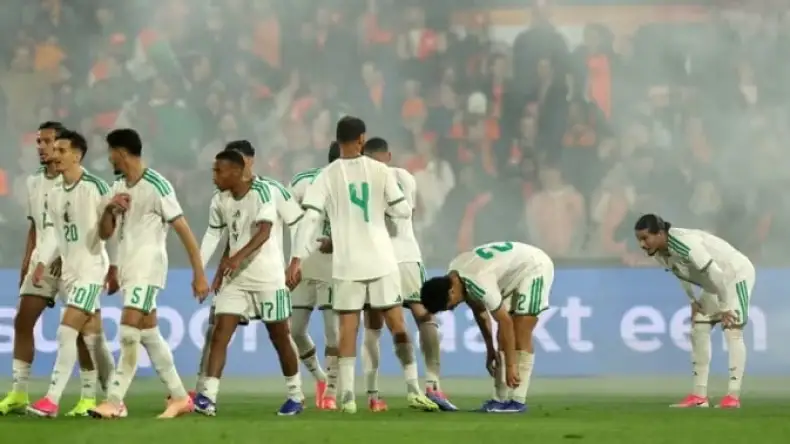
The summer transfer window presents a complex period for numerous Algerian footballers, many of whom are currently without clubs. This situation, often termed "football unemployment," poses a significant threat to players' technical readiness and the careers of those who have made substantial contributions to Algerian football, according to observers. The challenge extends beyond immediate match fitness, potentially impacting the long-term professional prospects of these athletes. The continuing "football unemployment" will not only harm players' technical readiness but also threatens the careers of those who have contributed much to Algerian football on the international stage.
Player Struggles Emerge
Riyad Mahrez's decision to retire from international football after the 2026 World Cup could alleviate national pressure, but his current status as a free agent is detrimental to his market value and career trajectory. Being without a team harms his market value and overall career progression, despite his illustrious past. Other players, including Yacine Benzia, Adam Ounas, and Abdelkader Badrane, are at career stages where they are still capable of significant contributions. However, their prolonged absence from regular team training is expected to negatively impact their physical condition and overall match readiness, potentially diminishing their ability to perform at the highest level. These players, still in their prime, face a critical juncture in their professional lives.
The delay in securing new clubs also presents challenges for players like Rachid Ghezzal, Andy Delort, Ishak Belfodil, Mehdi Zefane, Oussama Darfalou, and Karim Aribi. This situation reduces their prospects of securing favorable contracts in competitive European or Gulf leagues. The inability to join a team promptly can lead to a decline in their professional standing and earning potential within these lucrative football markets. For these athletes, who have often played at high levels, the uncertainty of their immediate future is a major concern, potentially leading to a significant loss of income and career momentum.
Re-evaluating Demands and Options
Many players are now reportedly considering a return to the Algerian professional league, viewing it as a potential stepping stone to relaunch their careers. This shift in perspective suggests a strategic re-evaluation for those currently without club affiliations. The phenomenon necessitates that both players and their agents reassess their professional file management strategies. It also requires a reduction in financial demands to facilitate securing future destinations more quickly. This approach is seen as key for players aiming to rejoin competitive football environments and avoid prolonged periods of inactivity, which can impact their market value and long-term prospects. For many, a move back to their home country's league could offer the regular playing time needed to regain form and attract attention from clubs in more prominent leagues, providing a viable pathway back to higher-level competition.
Broader Career Implications
Several factors contribute to the current crisis facing Algerian footballers, according to observers. These include players' exaggerated financial demands, which can hinder negotiations for new contracts and make them less appealing to potential employers. The declining fitness levels among some members of Algeria's "golden generation" further complicate their prospects in competitive leagues, as clubs seek players who are consistently in top physical condition. Injuries have also played a significant role, sidelining players and making them less attractive to potential clubs, as teams are hesitant to invest in athletes with a history of physical setbacks. Additionally, many players find themselves without a team when their contracts expire and they are unable to secure quick replacements, leading to periods of professional limbo. This combination of circumstances creates a challenging environment for athletes attempting to maintain their professional careers. The protracted search for new clubs can lead to a decline in market value and overall career stagnation, particularly for those who have previously commanded high transfer fees or salaries. Addressing these multifaceted issues will be critical for the future of Algerian football talent.