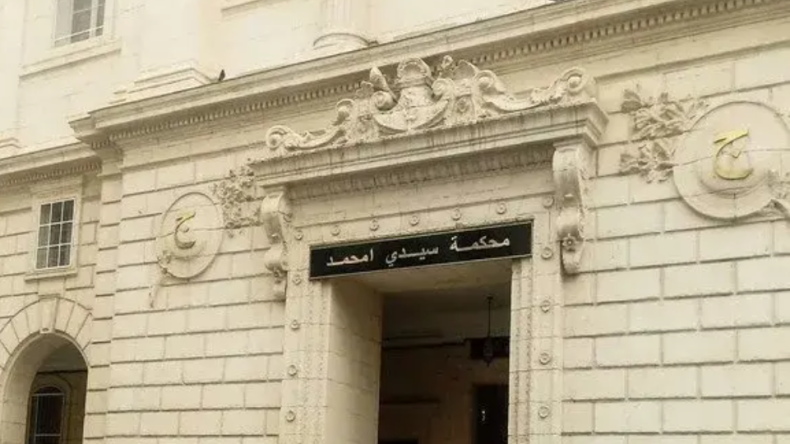
The Court of the Economic and Financial Penal Pole of Sidi M'hamed has announced the opening of a significant corruption case involving the Algerian Football Federation (FAF). The trial is scheduled to commence in September 2026, marking a key moment in the ongoing efforts to address alleged financial misconduct within the national football body. Other former federal office executives and officials currently in temporary detention will also face trial alongside the former presidents. The announcement, made on September 1, 2026, details charges related to alleged corruption within the FAF. This development marks a significant legal step in addressing the accusations that have surrounded the organization for some time, bringing a formal judicial process to the forefront of public attention.
Trial Date and Postponement
The trial date for Algerian Football Federation (FAF) officials has been definitively set for September 29, 2026. This date follows a postponement from the initially scheduled commencement on September 1, 2026. Defense lawyers representing the accused requested the delay to allow them additional time to thoroughly review the extensive case documents and prepare their arguments. The Court of the Economic and Financial Penal Pole of Sidi M'hamed granted this request, rescheduling the proceedings for later in the month to ensure all parties have adequate time for preparation. The trial concerns alleged corruption within the FAF and involves several former federal office executives and officials currently held in temporary detention, showing the gravity and complexity of the legal proceedings. The decision to postpone notes the court's commitment to due process and fair trial procedures, despite the high-profile nature of the case.
Corruption Allegations Detailed
The case before the Court of the Economic and Financial Penal Pole of Sidi M'hamed centers on suspicions regarding the process by which contracts and deals were concluded within the Algerian Football Federation (FAF). Prosecutors allege these transactions were conducted outside established legal and regulatory procedures governing such agreements, bypassing the standard protocols designed to ensure transparency and fairness. The investigation has unearthed claims that these deviations from proper procedure were not accidental but rather deliberate.
The alleged purpose of these deviations was to grant unjustified privileges to certain parties, including individuals and entities connected to the FAF's operations. This conduct is believed to have resulted in the dissipation of public funds, specifically from the FAF's own budget and the public treasury. The financial implications are substantial, with prosecutors focusing on the misuse of resources allocated for the development and administration of football in Algeria. The investigation aims to determine the full extent of these alleged irregularities and the individuals responsible for the reported breaches of financial and procurement protocols, shedding light on the mechanisms of the alleged corruption.
Accused Officials and Charges
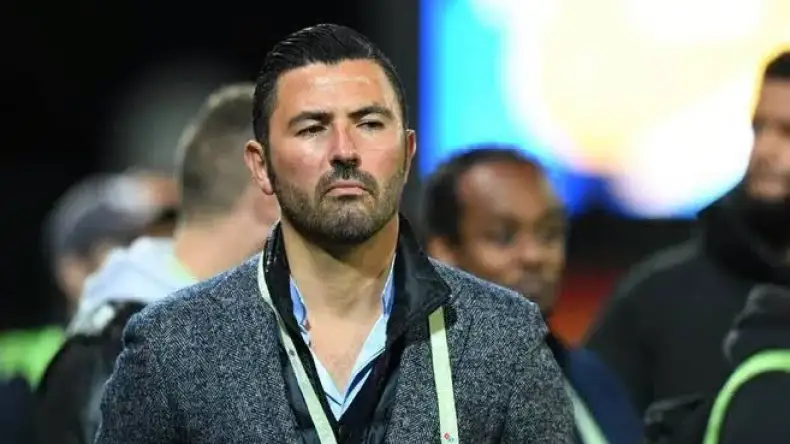
Former Algerian Football Federation (FAF) presidents Charaf-Eddine Amara, Djahid Zefizef, and Khiredine Zetchi are among those accused in the ongoing corruption investigation. Their involvement as former leaders of the organization places a significant spotlight on the allegations. The charges against them and other officials are extensive and include abuse of office, where individuals are accused of using their positions for personal gain or to benefit others unfairly. Another serious charge is the intentional embezzlement of public funds and participation therein, suggesting a coordinated effort to divert money from its intended purpose.
Prosecutors also allege the conclusion of contracts contrary to legislation, specifically crafted to grant unjustified privileges to certain parties involved in FAF activities. These accusations encompass benefiting from undue privileges, implying that some individuals or entities received advantages they were not legally entitled to. The full list of charges includes engaging in money laundering activities, indicating attempts to conceal the illicit origins of funds obtained through corrupt practices. These charges collectively reflect the breadth and severity of the alleged financial misconduct within the FAF, painting a picture of systemic irregularities that prosecutors are determined to unravel through the judicial process.