The Fédération algérienne de football (FAF) has filed a complaint with FIFA regarding refereeing decisions made during the Algeria-Argentina match for the 2026 World Cup qualifiers. The FAF submitted the protest to the global football governing body, challenging specific calls made during the recent fixture. Algerian Television's official website reported the FAF's action on Friday, confirming the federation's formal objection to the match officiating. The complaint focuses on several decisions that the FAF believes impacted the outcome of the qualification game. This formal protest shows the Algerian federation's deep concerns over the fairness and accuracy of the match's officiating, particularly given the high stakes of World Cup qualification. The FAF's detailed submission to FIFA aims to highlight what it perceives as critical errors that influenced the game's progression and final result.
Protest Details
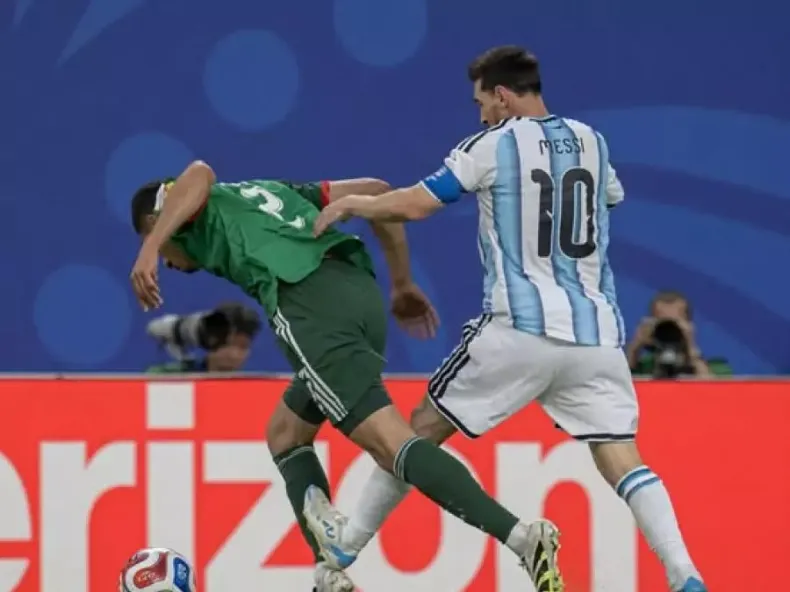
The complaint filed by the Fédération algérienne de football (FAF) outlines three major refereeing incidents from the Algeria-Argentina World Cup qualifier. These three specific occurrences form the core of the FAF's appeal, asserting that they collectively demonstrate a pattern of officiating that was detrimental to the Algerian team. The federation noted a tackle on national team captain Aïssa Mandi, arguing that the challenge warranted a more severe sanction or a review by the Video Assistant Referee (VAR) system. This incident was explicitly cited as one of the key moments where officiating decisions allegedly impacted the game, potentially altering the momentum and strategic flow of the match. The FAF's detailed submission likely includes specific time stamps and video evidence related to this challenge on their captain.
Other incidents detailed in the FAF's formal protest include an elbow directed towards player Anis Hadj Moussa. The complaint also referenced a tackle on Brahim Maza during the match. These specific occurrences form the basis of the FAF's appeal to FIFA, challenging the impartiality and accuracy of the refereeing during the critical qualification fixture. The FAF contends that these incidents, taken together, represent significant lapses in judgment or application of the rules by the match officials. The federation's communication with FIFA is expected to elaborate on why these particular actions by the referee and VAR system were considered incorrect and how they materially affected the game's dynamics. The FAF is seeking a thorough review of these moments to ensure fair play in future international competitions.
Match Context
The match in question was a critical fixture in the 2026 World Cup qualifiers, pitting Algérie against Argentine. The outcome of this qualification game holds significant weight for both national teams regarding their prospective participation in the global tournament. The Fédération algérienne de football (FAF) has indicated that the refereeing decisions during this encounter directly influenced the match's progression and final result. Algeria's national team captain, Aïssa Mandi, was central to one of the disputed incidents, while players Anis Hadj Moussa and Brahim Maza were also involved in moments that drew the FAF's formal complaint to FIFA. The Télévision algérienne's official website reported on Friday that the FAF had indeed submitted its protest. The importance of the qualifying points at stake for a place in the prestigious 2026 World Cup amplifies the FAF's concerns, as every decision can have broad consequences for a nation's footballing aspirations. The federation's proactive step reflects its commitment to upholding the integrity of the game and ensuring that such critical matches are officiated without controversy.
FIFA Complaint Process
The Fédération internationale de football association (FIFA) maintains established procedures for addressing formal complaints lodged by member associations. When a national federation, such as the Fédération algérienne de football (FAF), submits a protest concerning match officiating, FIFA's disciplinary or relevant committees typically review the documentation. This process involves a detailed assessment of the incidents cited, often including video evidence and referee reports from the fixture. The FAF's complaint regarding the Algeria-Argentina match, involving decisions affecting players like Aïssa Mandi, Anis Hadj Moussa, and Brahim Maza, will undergo such a review. FIFA's regulations outline specific timelines and steps for these investigations, which can lead to various outcomes ranging from no action to sanctions against officials or, in rare cases, a re-evaluation of match results. The global governing body takes such complaints seriously, as they can impact the credibility of its competitions and the fairness of international football. The FAF's submission will now enter a formal review period, during which FIFA will gather all necessary information before rendering a decision on the validity and implications of the protest.