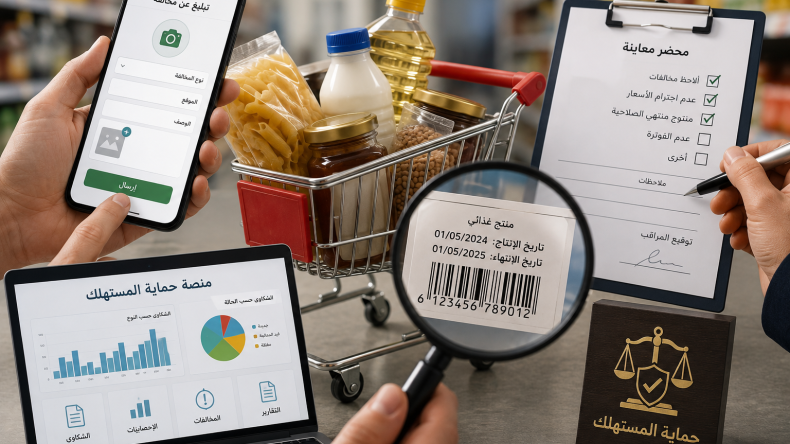
Consumer protection associations in Algeria have proposed using digital platforms to facilitate the reporting of commercial violations. The National Union for Consumer Protection, represented by Kribech Khadir and Meriem Zakri, announced the initiative on 30 October 2026. This proposal intends to streamline the process for citizens to notify authorities about market irregularities. By integrating digital tools into oversight procedures, the groups aim to increase transparency and consumer involvement in market monitoring. The organizations argue that digital reporting will provide a more efficient mechanism for documenting and addressing infractions within the Algerian commercial sector. Implementation details for the proposed system remain under discussion as the groups seek to modernize current oversight frameworks.
These consumer protection associations propose using digital platforms to facilitate the reporting of commercial violations as a core strategy for reform. By utilizing these new systems, the associations intend to create a more responsive environment where citizens can actively participate in the maintenance of market standards. This shift represents a broader attempt by the groups to move away from traditional, paper-based reporting methods toward a more agile, technology-driven approach that aligns with the evolving digital landscape of the Algerian economy.
Digital Platforms for Oversight
Developers are currently building the "Tawasul - Voice of the Consumer" platform to enhance communication channels between individual consumers and national regulatory authorities. The 'Tawasul - Voice of the Consumer' platform is being developed to improve communication between consumers and regulatory authorities. This digital tool serves as a primary component of the modernization effort intended to facilitate direct reporting of commercial issues.
Kribech Khadir, Vice President of the National Union for Consumer Protection, emphasized the collaborative nature of this oversight model. Regarding the necessity of a collective approach, Kribech Khadir stated: "حماية القدرة الشرائية مسؤولية مشتركة تستدعي تضافر جهود السلطات العمومية وأجهزة الرقابة والفاعلين الاقتصاديين والمجتمع المدني، مع ضرورة تمكين المستهلك من وسائل فعالة للتبليغ عن التجاوزات التجارية."
Addressing the specific function of the platform, Kribech Khadir further noted: "الرقابة المجتمعية عبارة عن دعم لتلك الجهود من خلال نقل الانشغالات الميدانية والإبلاغ عن المخالفات، بما يسمح بالتدخل في الوقت المناسب، شريطة ضمان سرية المعطيات الشخصية للمبلغين والتعامل الجدي مع الشكاوى المرفوعة."
Beyond digital reporting tools, the National Union for Consumer Protection has identified physical infrastructure needs to improve market stability. The organization issued a call to establish processing, storage, and refrigeration units in close proximity to agricultural production areas. There is a call to establish processing, storage, and refrigeration units near agricultural production areas to reduce losses and supply disruptions. Proponents of this infrastructure plan argue that these facilities will reduce post-harvest losses and mitigate supply disruptions that currently affect the Algerian market. By investing in these localized units, the organization believes that the national supply chain will become more resilient against the volatility that can lead to shortages or price fluctuations. These proposed facilities are viewed as a necessary complement to the digital oversight efforts, ensuring that both the flow of information and the physical handling of goods are optimized for the benefit of the Algerian consumer.