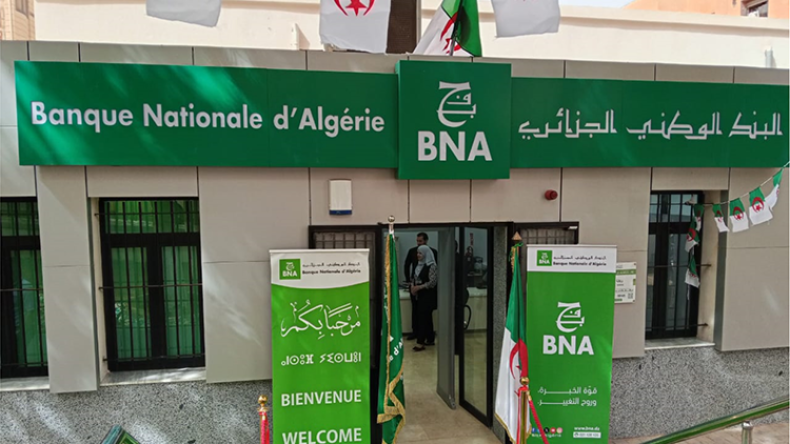
Algerian banks have begun clarifying their "Know Your Customer" (KYC) system to clients, following the initiation of identity and file audits and requests for updated personal and banking information from customers two weeks ago. This clarification comes in response to the recent launch of full audits of customer identities and files, which necessitated banks reaching out to their clientele for updated personal and banking details. The Algerian National Bank urged its clients to update their personal and banking details at branches, stating that accurate data improves security, ensures service continuity, and helps fulfill customer needs. This proactive measure aims to foster a more secure and efficient banking environment for all customers. The KYC system primarily focuses on identifying and verifying client identities, followed by consistent monitoring and updating of related information. This foundational principle ensures that banks maintain accurate and current records for all their account holders. The National Savings and Provident Fund - Bank affirmed that its adoption of the KYC system aims to safely and effectively update and streamline customer identification procedures. This commitment shows a broader industry effort to enhance the integrity of financial operations and customer data management across the Algerian banking sector.
Ongoing KYC Process Explained
Knowing the customer is an ongoing process, not circumstantial, according to Housing Bank. This perspective notes that client information is not static and requires continuous attention from financial institutions. The National Bank regularly updates its client files as part of this effort, ensuring that any changes in customer circumstances are promptly recorded. CNEP Bank is generalizing verification procedures to enhance the system, indicating a concerted push to standardize and improve the accuracy of client data across its operations. Housing Bank for Commerce and Finance - Algeria further emphasized that customer knowledge remains an ongoing process due to potential changes in client status and needs. This dynamic approach acknowledges that clients' financial situations, residential addresses, and other pertinent details can evolve over time, necessitating regular updates. The process's goal extends beyond administrative auditing, aiming to protect accounts and transactions. By maintaining up-to-date client profiles, banks can better safeguard against unauthorized activities and ensure the legitimacy of all financial dealings. It also works to reduce the risks of fraud and financial crime, while improving banks' ability to monitor operations and understand client relationships. This full understanding allows banks to offer more tailored services and detect suspicious patterns more effectively.
Client Information Requirements
For individuals, the update process for client information may involve providing a valid identification card and recent proof of residence. These essential documents confirm the individual's identity and current address, which are critical for maintaining accurate records. Supporting documents for commercial activity and resources are also required, as applicable, to provide a complete financial picture for clients engaged in business. For legal entities, the process necessitates a broader range of documents to ensure thorough verification. These include updated articles of association, which outline the entity's structure and operations, and the commercial register, confirming its legal establishment. Identity documents for the legal representative, beneficial owners, and agents where relevant are also key for transparency and accountability. Legal entities must also supply proof of residence for their operational base and documentation detailing the institution's activity and its turnover, offering insights into its financial health and operational scope.
Awareness campaigns accompanying these updates clarify that the responsibility for data accuracy is shared between the bank and the client. This collaborative approach is vital for the success of the KYC system. Institutions are tasked with reviewing and verifying the provided information, ensuring its authenticity and completeness. Simultaneously, clients bear the duty to inform their branch of any changes in their personal or business situation and to supply the necessary supporting documents. This includes updates to contact information, changes in employment, or significant shifts in business operations. This collaborative approach aims to maintain the integrity and currency of client records, fostering a relationship built on trust and mutual responsibility.
Security and Service Benefits
These procedures enhance banking transaction security, providing a strong defense against illicit activities. They also ensure accurate and transparent monitoring of financial flows, which is essential for regulatory compliance and internal oversight. These efforts meet regulatory requirements, aligning Algerian banks with international best practices in financial security and anti-money laundering measures. Banks are also working to reduce fraud risks and improve control mechanisms through these efforts, creating a safer environment for all banking operations. The enhanced understanding of client relationships derived from these full updates allows banks to better identify potential risks and respond proactively, strengthening the overall resilience of the financial system.