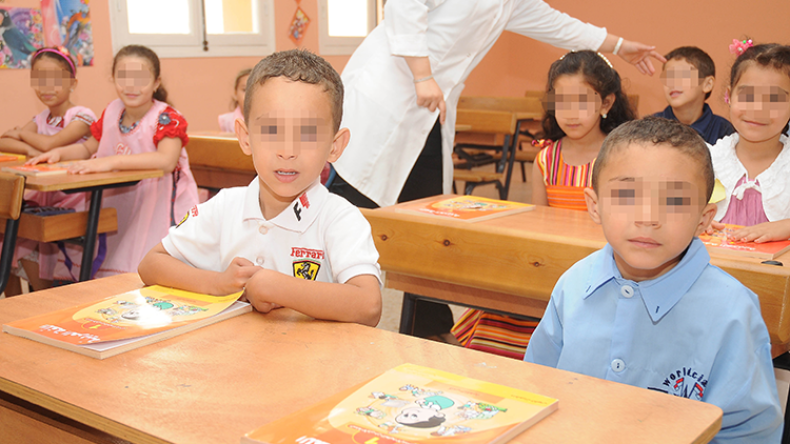
Algeria has decided to adopt English as the sole foreign language taught from the third year of primary education, replacing French, according to an article published on July 14, 2026. This significant pedagogical shift is based on the argument that a child's capacity to absorb at the age of eight, corresponding to the third year of primary school, makes this change feasible and beneficial. The decision aligns with Algeria's strategic direction to generalize English as a primary language for accessing sciences, micro-technologies, and artificial intelligence. The article stated that "The school seems to be heading towards a stage of 'pedagogical boldness', where the child's cognitive and psychological interest is the sole criterion and decisive factor in drawing the 'roadmap' for the next generation." This move signifies a full reorientation of the country's language education policy, focusing on a singular foreign language for early learners.
Cognitive Rationale for Single Language Focus
The decision to replace French with English in primary education stems from full reports presented at a national conference and strong scientific arguments centered on the cognitive and psychological abilities of children during their early schooling. These discussions noted the central argument that a child's capacity to absorb at the age of eight, specifically in the third year of primary school, is optimal for initiating foreign language instruction, but that this capacity is best utilized when focused on a single language. According to these arguments, compelling a student at this early age to learn two foreign languages simultaneously, French and English, in addition to their mother tongue, Arabic, could result in counterproductive outcomes that restrict their creative and academic potential. The pedagogical experts and researchers involved in these discussions showed the potential for cognitive overload and confusion when multiple foreign languages are introduced too early.
Modern linguistic studies support this approach, suggesting that English grammar in its preliminary stages is more adaptable and easier to learn compared to the profound grammatical and morphological complexities found in French. These studies provide a scientific basis for prioritizing English as the initial foreign language. Linguistic studies state, "The English language rules in its early stages are more flexible and smoother for comprehension compared to the deep grammatical and morphological complexities of the French language, making it easier for the child to grasp it without excessive mental strain." This flexibility is believed to facilitate a more natural and less stressful learning experience for young students, allowing them to build a strong foundation without unnecessary cognitive burdens.
Minister of National Education, Mohamed Oujja Saadaoui, previously addressed the challenges of teaching foreign languages in primary education. Mr. Saadaoui stated, "Teaching third-year primary students two foreign languages simultaneously represents a challenge due to the similarity in letters and word pronunciations." This perspective aligns with the current rationale for focusing on a single foreign language to ease the learning process for young students and prevent potential linguistic interference. The Minister's remarks emphasized the practical difficulties encountered in classrooms when students are exposed to multiple similar-sounding languages at a foundational stage. The current policy is therefore a direct response to these identified challenges, aiming to optimize the learning environment for primary school children.
Historical Shift and Policy Evolution
During a period of significant educational re-evaluation, calls emerged to eliminate French from the curriculum, advocating for the exclusive retention of English. Proponents of this shift argued it would prevent student confusion and signify a sovereign policy aimed at shedding colonial legacies. These voices rose demanding the abolition of French and the retention of only English to avoid confusing students' minds and to embody a sovereign policy of shedding colonial legacy. This sentiment reflects a broader national aspiration for educational independence and a focus on languages perceived as more globally relevant for future generations. Public authorities, in line with this sentiment, are reportedly working to diminish the presence of the French language in the educational system while simultaneously bolstering Arabic and establishing English as the primary foreign language across basic and university education. This strategic reorientation shows a deliberate effort to reshape Algeria's linguistic landscape in education.
A notable change in Algerian education occurred with the introduction of English into third-year primary classes for the 2022/2023 academic year, marking a historical first. This initiative was subsequently formalized through a presidential decree for the 2023/2024 academic year, solidifying English's position in the early education curriculum. This decision to introduce English was supported by opening a specialization for primary education teachers of English in higher education institutions, a measure also serving to address employment crises by creating new professional pathways for educators. Further emphasizing the policy shift, a decision was made to prohibit the instruction of French curricula in private educational institutions, reinforcing the national direction towards English as the dominant foreign language. The current curriculum, which has undergone recent reforms based on directives from President Abdelmadjid Tebboune, is designed to meet international standards and incorporate cultural and sports activities alongside academic subjects, ensuring a holistic and globally-oriented educational experience. These reforms aim to modernize the Algerian education system and align it with contemporary global demands.
Expert and Official Perspectives
The new strategy aims for students to focus on building a solid foundation in one foreign language, preferably English, before being introduced to other languages in later educational stages, according to the article. This approach is grounded in extensive pedagogical research and practical observations. Field experiences and consistent interaction with students have shown that pupils can experience negative linguistic interference, which can lead to mental fragmentation and "linguistic indigestion." This phenomenon occurs when the brain struggles to differentiate between similar linguistic structures and sounds from multiple languages introduced simultaneously, hindering effective learning. Specialized studies recommend starting with only one language and introducing a second language in the fourth or fifth year of schooling, allowing the child to firmly grasp the first foreign language before moving on. This phased introduction is considered key for optimal language acquisition and cognitive development.
The article suggests that "The school seems to be heading towards a stage of 'pedagogical boldness', where the child's cognitive and psychological interest is the sole criterion and decisive factor in drawing the 'roadmap' for the next generation." This statement encapsulates the forward-thinking and child-centric philosophy underpinning the educational reforms. The decision to adopt teaching only one foreign language in the third year of primary education, which is English, and to dispense with the French language, is a direct manifestation of this pedagogical boldness. It prioritizes the child's learning capacity and cognitive well-being over traditional linguistic norms. The online report detailing these developments has drew 8396 views, indicating significant public interest in Algeria's evolving educational landscape and its strategic shift towards English. The full nature of this policy change, from curriculum design to teacher training and institutional directives, shows a determined effort to prepare Algerian youth for a future increasingly shaped by global communication and technological advancement, with English positioned as a key enabler.