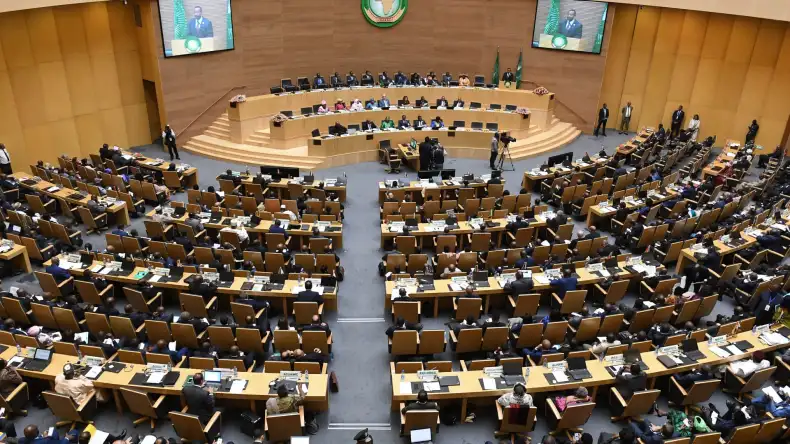
Algeria is set to assume the rotating presidency of the Peace and Security Council of the African Union, a leadership role that will commence on August 1, 2026. This appointment positions Algeria at the forefront of the African Union's efforts to address peace and security challenges across the continent, showing its growing diplomatic influence and commitment to regional stability. The assumption of this significant responsibility notes Algeria's dedication to contributing actively to the collective security architecture of Africa.
Algeria's Presidency Program
Algeria has formulated an action program for its upcoming presidency of the African Union's Peace and Security Council. This full program was meticulously designed to reflect the continent's key priorities in the realms of peace and security, ensuring that the Council's agenda remains highly relevant and impactful. This strategic document directly addresses the diverse security, political, and humanitarian challenges currently confronting Africa, which include ongoing conflicts, humanitarian crises, and the imperative for sustainable peacebuilding efforts. The program aims to guide the council's agenda and interventions during Algeria's tenure, ensuring a focused approach to regional stability. It is anticipated that the outlined initiatives will contribute significantly to the African Union's broader efforts to promote peace and resolve conflicts across its member states. The full nature of the program shows Algeria's commitment to playing a proactive and constructive role in addressing complex issues faced by the continent, aiming to foster an environment conducive to development and prosperity.
Continental Commitments and Goals
Algeria's upcoming presidency of the African Union Peace and Security Council is intended to reinforce the Council's influence and operational capacity in addressing continental challenges. This leadership role is designed to strengthen the Council's role and effectiveness in responding to the continent's myriad challenges, from conflict resolution to humanitarian aid coordination. The nation's leadership role aligns with its existing continental commitments and its ongoing efforts to uphold the core principles and objectives of the African Union, including the promotion of peace, security, and good governance. This strategic alignment shows Algeria's dedication to fostering stability and security across the continent, recognizing that collective action is critical for achieving lasting peace. The presidency is expected to provide a key platform for Algeria to further its contributions to peacebuilding and conflict resolution within the African Union framework, leveraging its diplomatic experience and resources.
Strengthening African Action
Algeria's strategy for its 2026 presidency of the African Union Peace and Security Council will involve a proactive approach, emphasizing preventive diplomacy and strong response mechanisms. This commitment emphasizes conflict prevention, the implementation of early warning systems to anticipate potential crises, and the capacity for rapid response to emerging security threats across the continent. The strategy also includes strong support for mediation efforts and the pursuit of peaceful solutions, advocating for dialogue and negotiation as primary tools for conflict resolution. Algeria plans to renew its unwavering commitment to the principle of "African solutions for African problems," aiming to bolster joint African action in addressing peace and security challenges with self-reliance and regional ownership. This approach seeks to reinforce the continent's self-reliance in managing its own security landscape, fostering greater cohesion and effectiveness in addressing internal and external threats. By championing this principle, Algeria aims to empower African nations to collectively chart their path towards sustainable peace and security, reducing reliance on external interventions and strengthening the continent's institutional frameworks.