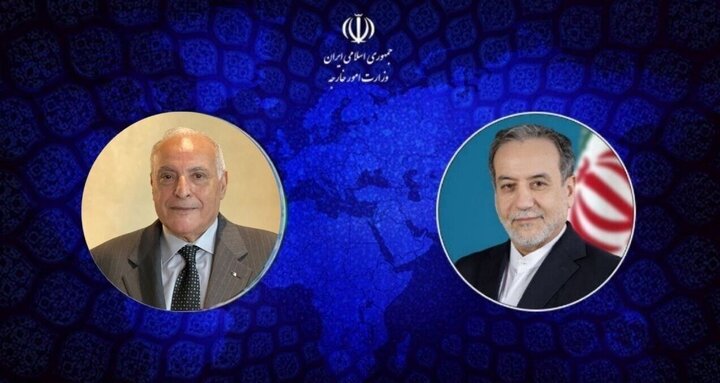
The Ministry of Health issued a memorandum on 27 October 2026 to tighten regulations governing patient transfers between health facilities across Algeria. Minister of Health Mohamed Seddik Ait Messaoudene signed the official directive to standardize movement protocols within the national medical network. The memorandum was addressed directly to health directors and officials at public health institutions to ensure compliance with the new transfer procedures. These regulations aim to clarify the clinical and administrative requirements for moving patients between hospitals and clinics. All facility leaders are now required to follow these specific guidelines when coordinating the transport of individuals requiring specialized care or additional diagnostic services.
Mandatory Protocols for Patient Transfers
Health institutions face a prohibition against refusing the transfer of patients based exclusively on a reported lack of beds within a specific department. Facilities must instead conduct a formal assessment of their total institutional capacity before declining any incoming transfer requests.
Transferring institutions bear the responsibility of verifying all medical justifications prior to the movement of a patient. These facilities are also required to secure formal approval from the receiving institution before initiating transport. This two-step verification process ensures that clinical needs are matched with appropriate resources at the destination site. Officials intend for these measures to prevent arbitrary rejections and improve the coordination of care across the national network. Compliance with these protocols remains mandatory for all public health leaders tasked with managing patient flows between regional and central medical centers.
Administrative Oversight and Coordination Roles
Health directors now hold primary responsibility for coordinating the reception of patients between health institutions. These officials are tasked with organizing periodic meetings to review and facilitate the transfer process, ensuring that communication flows effectively across the medical network. By establishing these regular sessions, the Ministry of Health intends to improve the management of patient movements and resolve potential bottlenecks in care delivery.
Each individual health institution is required to appoint a permanent officer dedicated to managing communication and information exchange regarding patient transfers. This official acts as the central point of contact, ensuring that all necessary medical data and logistical details are shared accurately between the sending and receiving facilities. The appointment of a specific officer aims to minimize errors during the transfer process and maintain a clear, documented record of all patient movements.
Legal foundations for these new measures trace back to a series of established regulatory documents. The updated protocols are based on Instruction No. 07 of 3 September 2006, Instruction No. 01 of 10 January 2020, and Memorandum No. 03 of 14 September 2025. These prior mandates provide the regulatory framework for the current administrative oversight, ensuring that the updated instructions align with existing national standards for hospital management and patient care coordination. All public health leaders must adhere to these directives to ensure that the transport of individuals requiring specialized care remains consistent with the national requirements set forth in these legislative instruments.