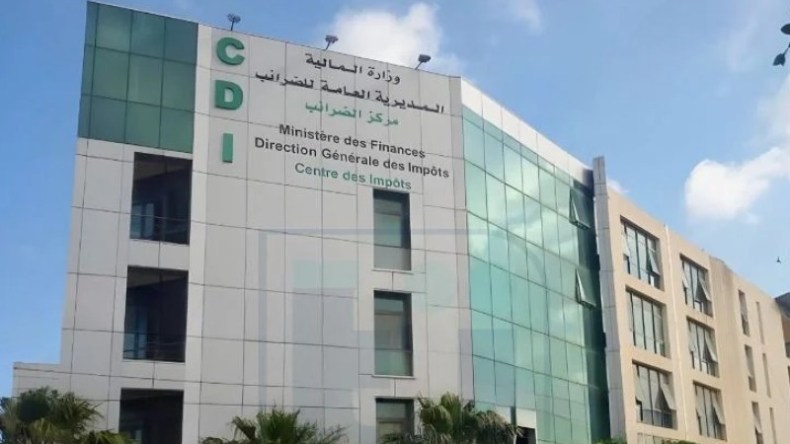
Algeria’s General Directorate of Taxes issued a new directive on 10 November 2026, mandating that traders of precious stones and metals obtain prior authorization when conducting business with politically exposed persons. This regulatory change requires vendors to verify the status of clients before completing transactions involving high-value assets. The Ministry of Finance implemented these requirements to increase oversight of financial interactions within the precious metal sector. Traders must now follow these administrative procedures to ensure compliance with the latest government standards. Ali Fodil, Rachid Fodil, and Imane Kimouche remain subject to these oversight measures as part of the broader regulatory framework managed by the General Directorate of Taxes. These protocols apply to all transactions involving individuals classified as politically exposed persons throughout Algeria.
Legal Framework for Compliance
Article 7 bis 1 of Law No. 05-01, dated 27 Dhu al-Hijjah 1425 (6 February 2005), serves as the legal foundation for the new directive. This legislation, as amended and supplemented, grants the General Directorate of Taxes the authority to enforce strict oversight on high-value asset transactions.
The directive also incorporates requirements from Article 15 of the annex to the decision dated 7 Muharram 1447 (3 July 2025). This specific provision establishes the governing system for preventing and combating money laundering and terrorism financing within the precious metal sector. Traders operating in Algeria must adhere to these combined legal standards when engaging with politically exposed persons. The Ministry of Finance expects these established protocols to provide a clear regulatory path for all vendors currently under supervision. Following these mandates ensures that financial activity remains aligned with the national framework for monitoring and verifying client status.
Authorization Procedures for Traders
Legal entities must secure the required prior authorization from their respective decision-making bodies to comply with Article 7 bis 1 of Law No. 05-01. This internal process serves as a formal prerequisite for conducting business with politically exposed persons, ensuring that the governing structure of the company reviews and sanctions transactions involving high-value assets. The law mandates that this specific internal approval remains separate from any external regulatory filings.
Individuals operating as sole traders function under a different set of requirements when navigating these procedures. Because sole traders lack additional decision-making staff, the individual owner holds full responsibility for granting the necessary authorization. These traders must personally manage the risks associated with transactions involving politically exposed persons, acting as both the authorizing authority and the entity responsible for regulatory compliance.
The General Directorate of Taxes issued a clarification regarding the interaction between internal and external oversight. Approval granted by the supervisory authority does not replace the internal authorization required by law for legal entities. Companies must finalize their internal approval processes before initiating any business activities subject to the new directive. The General Directorate of Taxes maintains that both levels of authorization are necessary to satisfy the current legal standards. These distinct requirements ensure that both corporate entities and independent traders implement a verification system that remains consistent with the national framework for monitoring financial activity in Algeria. All vendors are expected to maintain documentation of these internal authorizations to demonstrate their adherence to the established protocols during future audits by the Ministry of Finance.