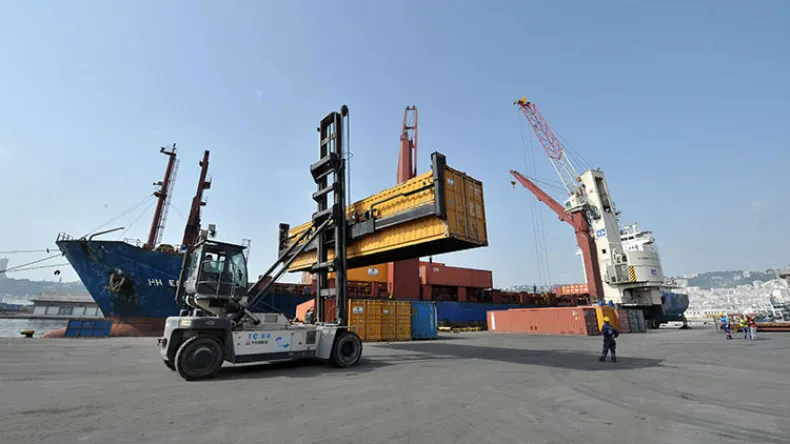
Algeria's Ministry of Foreign Trade and Export Promotion has implemented stringent measures to tighten control over export operations, aiming to safeguard the country's foreign currency reserves. The Ministry of Foreign Trade and Export Promotion has taken strict measures to tighten control over export operations and protect the country's foreign currency reserves, citing concerns over illicit financial practices. The ministry identified practices exploiting facilities for non-hydrocarbon exporters as channels for circumventing foreign trade regulations. Four main loopholes were found, including exporting without repatriating financial proceeds and splitting shipments to benefit from exemptions. Authorities also noted issues with declaring prices not reflecting true value and suspected illicit fund transfers abroad, all of which contribute to the erosion of the nation's financial stability. These identified circumvention tactics pose a significant threat to the integrity of Algeria's export framework.
New Regulations and Loopholes
Starting July 1, 2026, new regulations will require exporters to submit the final domiciled invoice from their most recent export operation before they can obtain approval for any subsequent operations. This measure is designed to ensure that all financial proceeds from previous exports have been properly accounted for and repatriated. Concurrently, export transactions that are currently exempt from bank domiciliation will necessitate prior authorization beginning on the same date, closing a potential avenue for unregulated financial outflows. Officials have also mandated that exporters must secure approval from the manufacturing plant regarding the declared price of products upon export, a step intended to combat the declaration of prices not reflecting true value. Authorities are scrutinizing the practice of splitting shipments to keep them below the 100,000 dinar threshold, a method identified as a circumvention tactic used to avoid stricter oversight. Initial cases of these circumvention practices were observed in the export of fresh, perishable products and hazardous materials, noting the diverse range of goods affected by these illicit activities. The government's focus on these specific loopholes shows its commitment to creating a more transparent and accountable export environment.
Enforcement and Stakeholders
Enforcement of the new export controls involves multiple key institutions. Instructions have been issued to the Association of Banks (جمعية البنوك), encompassing the Bank of Algeria (بنك الجزائر), Customs, and Air Algérie (الجوية الجزائرية), outlining their roles in implementing the updated regulations. This collaborative approach aims to streamline oversight and ensure compliance across the trade and financial sectors, creating a unified front against financial irregularities. The involvement of these diverse entities is key for the full application of the new rules, from financial transactions to logistics and customs clearance.
To further tighten control over the import-export chain, new requirements also target importers. Importers are now mandated to submit pre-lists detailing their distributors and specific customers who will receive the imported goods. This measure is designed to enhance transparency and traceability of goods entering the country, complementing efforts to prevent financial irregularities and safeguard foreign currency reserves by ensuring imported goods reach legitimate recipients. This dual approach, addressing both export and import vulnerabilities, demonstrates a holistic strategy to protect national economic interests.
Background and Authority
The Minister of Foreign Trade and Export Promotion's authority was expanded through an executive decree issued on May 16, 2026. This decree grants the minister additional powers, showing the government's commitment to reinforcing oversight of export operations. The expanded mandate allows for more stringent enforcement of trade regulations and aims to further secure Algeria's foreign currency reserves. The move is part of a broader governmental effort to combat financial irregularities and ensure that export activities contribute positively to the national economy. This development provides the ministry with enhanced tools to monitor and control the flow of goods and funds, particularly in sectors previously identified as vulnerable to circumvention practices. The decree reinforces the legal framework underpinning the recent measures, ensuring the minister has the necessary legal backing to implement and enforce the new export controls effectively and decisively.