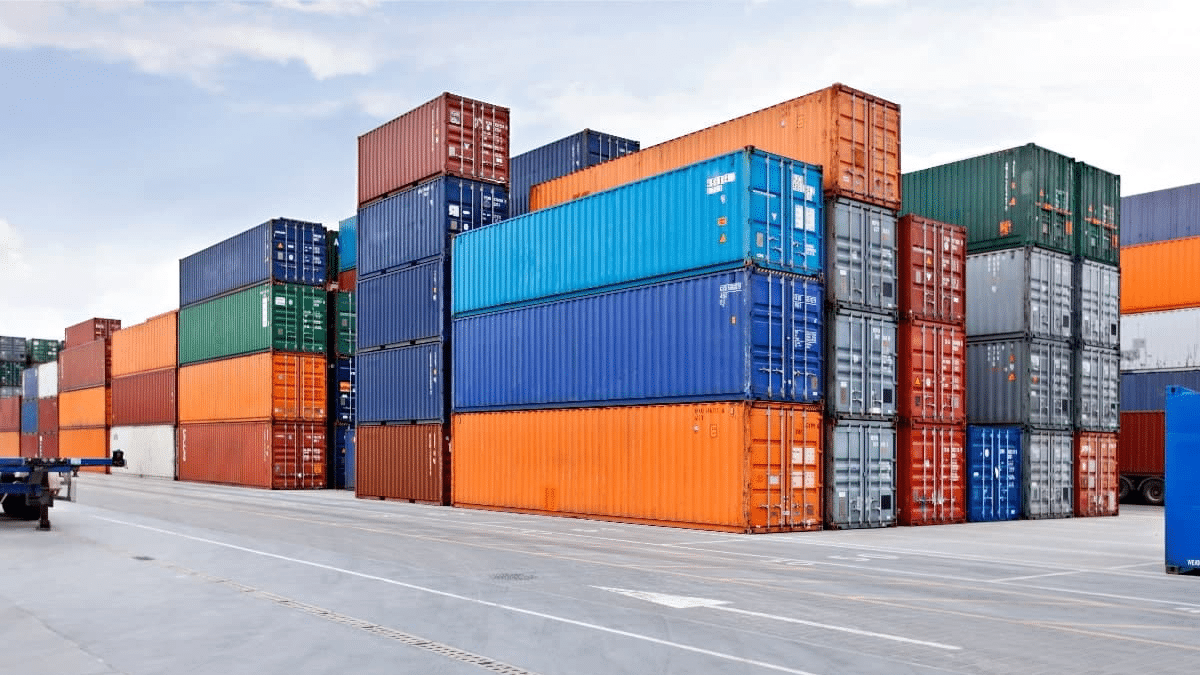
The Banque d’Algérie has implemented a new regulation, imposing prior bank domiciliation for all merchandise import operations in Algeria. This key measure, now in effect, aims to achieve a triple objective: reduce imports, decrease dependence on foreign markets, and safeguard the country's foreign exchange reserves. The central bank also seeks to foster the development of national production through these new controls, aligning its financial policies with broader economic goals.
New Import Control Measures
Algeria's government has introduced several measures to tighten control over its import activities. The Ministry of Trade and Export Promotion, led by Minister Kamel Rezig, has suspended the import of certain products. These products include red meat, some types of cheeses, chocolates, pastries, juices, and specific types of finished marble and ceramics. The decision, announced by Mr. Rezig, is part of a broader strategy to reduce the national import bill. The Ministry of Trade and Export Promotion also stated that it is working to streamline and simplify import procedures while ensuring stricter control over product quality and origin. These steps complement earlier moves by the Banque d’Algérie to require prior bank domiciliation for all merchandise import operations, reinforcing a full approach to managing the country's trade balance.
Boosting Domestic Production
The Minister of Foreign Trade and Export Promotion, Kamel Rezig, met with Omar Rekkache, the Director of the Algerian Investment Promotion Agency (AAPI), to discuss mechanisms for orienting investments. Their discussions focused on directing capital towards sectors aligned with national economic priorities. This initiative aims to bolster domestic production and reduce reliance on imports. The meeting showed the government's strategy to use investment as a tool to develop local industries. Officials deliberated on how to streamline investment procedures to attract both local and foreign capital into key manufacturing and agricultural sectors. AAPI plays a central role in implementing these investment strategies to achieve economic diversification goals and lessen the country's dependence on external markets.
Rising Import Bill Concerns
Algeria's import bill increased significantly, rising by 28% during the first half of 2025, reaching $30 billion. This figure compares to a total of $49 billion for the entire year 2024, noting a substantial acceleration in import expenditure. The significant rise in import expenditure has prompted Algerian authorities to implement new measures aimed at curbing this trend. These actions seek to reduce the country's reliance on foreign goods and manage its foreign exchange reserves more effectively. The government's focus is now on fostering domestic production and regulating import operations to mitigate the impact of the growing import costs on the national economy, thereby preserving financial stability.
Strategic Investment Focus
The meeting between Minister Kamel Rezig and Omar Rekkache focused on directing investments towards sectors characterized by high import bills. The meeting specifically aimed to orient investments towards sectors with high import bills and strengthen import substitution policies. This strategic orientation aims to strengthen Algeria's import substitution policies. By channeling capital into these specific areas, the government seeks to foster domestic production and reduce the country's reliance on imported goods. This approach is central to Algeria's broader economic strategy to curb its rising import expenditure and safeguard foreign exchange reserves. The goal is to stimulate local industries, thereby decreasing the need for foreign products and promoting economic self-sufficiency across various key sectors. This concerted effort is expected to yield long-term benefits for the Algerian economy.
