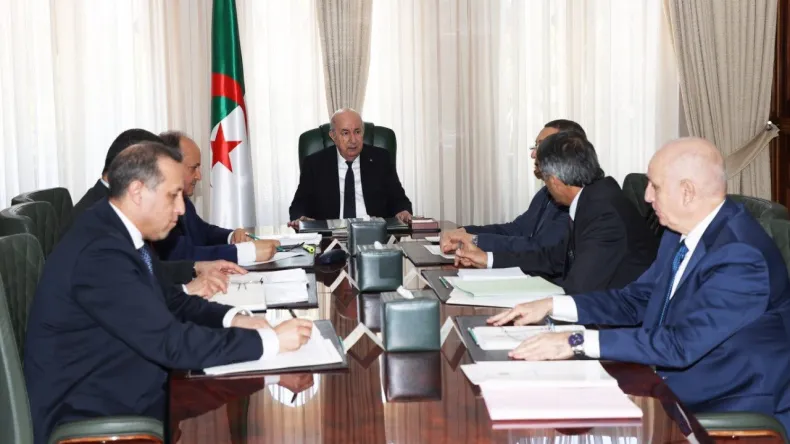
Algerian President Abdelmadjid Tebboune recently chaired a working meeting focused on structural projects within the hydrocarbons sector. During the meeting, it was confirmed that the expansion project of the port of Annaba is scheduled for concurrent completion. This development will enable the port to handle the initial phosphate shipments for export within the same timeframe, signaling Algeria's readiness to become a phosphate exporter. The meeting showed the government's commitment to advancing key economic infrastructure projects alongside its energy sector initiatives. President Tebboune's active involvement notes the strategic importance placed on these developments for the nation's future economic trajectory.
Phosphate Project Details
The integrated phosphate project, a key initiative for Algeria's export strategy, is scheduled to commence production during the first quarter of 2027. This timeline positions Algeria to begin exporting phosphates shortly after the Annaba port expansion is completed. The project represents a significant step in diversifying Algeria's export portfolio beyond hydrocarbons, aiming to capitalize on the global demand for phosphates. Preparations for the project are reportedly progressing, aligning with the national economic development plans. This venture is expected to create new employment opportunities and stimulate economic growth in associated sectors. The successful execution of this project is seen as key for strengthening Algeria's position in international markets and reducing its reliance on oil and gas revenues.
Infrastructure Development Focus
The working meeting also included discussions regarding the financing of the Algeria-Tamanrasset railway project. This critical railway project is scheduled to begin its construction work by September at the latest. The ambitious endeavor will be executed in three primary phases, connecting key regions within Algeria. The first phase will link Ouargla to Ain Salah, followed by the second phase extending from Ain Salah to Tamanrasset. The third phase will connect Tamanrasset back to Ain Salah, completing the network. This full railway development is expected to significantly enhance internal logistics and connectivity, supporting the nation's broader economic objectives by facilitating the movement of goods and people across vast distances. The project's phased approach aims to manage the complexity and scale of the construction, ensuring systematic progress towards its completion while optimizing resource allocation. Such infrastructure improvements are vital for national integration and economic efficiency, particularly for a country with Algeria's geographical expanse.
Key Figures Present
The working meeting, chaired by President Abdelmadjid Tebboune, saw the participation of several key Algerian officials. Among the attendees were the Prime Minister and the Minister of State for the General Inspectorate of State Services and Local Authorities, indicating a broad governmental focus on the projects discussed. The Minister of State for Hydrocarbons was also present, showing the meeting's emphasis on energy-related developments and their strategic importance. Economic and financial leaders included the Minister of Finance and the Governor of the Bank of Algeria, noting the significant financial implications and strategic importance of the initiatives for the national economy. Additionally, the Chief Executive Officer of Sonatrach, Algeria's national oil and gas company, attended the session, reflecting the company's central role in the nation's hydrocarbons sector and its broader economic strategy. Their collective presence at the meeting emphasized the integrated approach to the development and progression of these national infrastructure and export projects, showcasing a unified governmental effort towards achieving Algeria's economic diversification goals. The high-level attendance showed the government's commitment to ensuring the timely and successful implementation of these major national undertakings.