Algeria has allocated $46 billion for subsidies and social transfers in its 2026 Finance Law, aiming to bolster social support programs across the country. The full package includes specific measures such as unemployment benefits and provisions for housewives, alongside benefits for people with specific needs. Further initiatives detail university grants, extended maternity leave, and increases in both the guaranteed minimum wage (SNMG) and retirement pensions. The law also introduces tax exemptions designed to assist low-income individuals.
President's Economic Vision
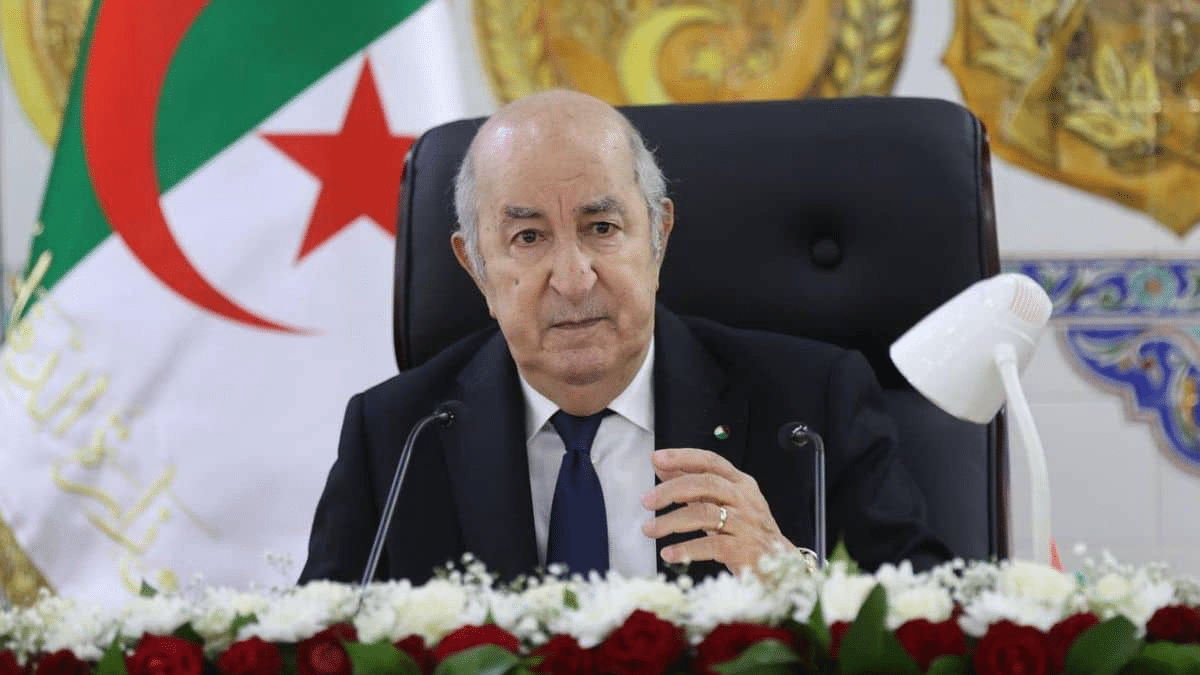
President Abdelmadjid Tebboune, in his traditional May Day message, stated that he found Algeria's economy on the verge of collapse in 2019. He described the country's situation upon his arrival in power in December 2019 as "une économie au bord de l’effondrement, un climat social tendu et incertain, une rupture de confiance et un affaiblissement de l’autorité de l’Etat à tous les niveaux." Since 2022, the government has implemented significant social decisions, including salary increases and measures aimed at improving societal conditions. President Tebboune affirmed that the state would continue to bear the burden of social transfers and support widely consumed products, stating, "Je tiens à assurer que l’Etat continue d’assumer la charge des transferts sociaux et de soutenir les produits de large consommation." He called for "vigilance, à la fermeté et à la mobilisation des mécanismes juridiques et réglementaires de lutte contre la spéculation, les fluctuations injustifiées des prix et la rareté provoquée, qui pèsent sur les familles, et ce, afin de préserver le caractère social de l’Etat."
Details of Social Support
Algeria's government maintains its commitment to social support by continuing to bear the cost of social transfers and providing aid for mass-consumption products. This strategy ensures that essential goods remain accessible to citizens and that various social programs receive necessary funding. The state's ongoing financial commitment underpins a broad range of initiatives designed to alleviate economic pressures on households. These measures are part of a wider effort to strengthen social safety nets and improve living conditions across the country. The sustained support for widely consumed products is a key element in maintaining price stability for basic necessities, thereby helping to protect the purchasing power of Algerian families.
Call for Market Stability
President Abdelmadjid Tebboune has called for strong vigilance and firmness, emphasizing the need to mobilize legal and regulatory mechanisms to combat speculation. He noted the importance of addressing unjustified price fluctuations and artificial scarcity, which he stated place a burden on Algerian families. The President showed that these measures are key for preserving the social character of the state. His directive aims to stabilize the market and ensure that the government's extensive social support programs effectively reach citizens without being undermined by economic manipulation. The administration seeks to protect the purchasing power of households by actively confronting practices that lead to price instability.
Broader Context and Future
The government's continued focus on social subsidies and economic vigilance reflects ongoing efforts to stabilize Algeria's economy and support its citizens. These measures, outlined in the 2026 Finance Law, aim to address various social needs, from unemployment benefits to support for essential products. The emphasis on combating speculation and price fluctuations further shows the state's commitment to maintaining economic stability and protecting household purchasing power. The broader context of these initiatives notes the administration's strategic approach to achieving sustained social and economic equilibrium, as reported on April 30, 2026.