Algeria has established a cyber vigilance cell to monitor the digital space and combat various forms of online child exploitation. The new cell will focus on detecting and addressing criminal activities targeting children across various online platforms. Its mandate includes the proactive identification of threats and the implementation of measures to safeguard minors from digital predators. The initiative aims to enhance the country's capabilities in protecting vulnerable populations in the online environment, specifically targeting various forms of child exploitation online.
New Cyber Cell Details
The newly established cyber vigilance cell aims to confront dangers threatening children's safety in the digital environment, according to Algerian authorities. Its mandate also includes combating cross-border cybercrimes. This initiative shows Algeria's commitment to enhancing online safety for its younger population. The cell's operations will involve monitoring various digital platforms to identify and address activities deemed harmful to children. By focusing on both general digital safety and specific cross-border criminal elements, the cell seeks to create a more secure online environment within the country's jurisdiction and beyond. The government views this as a critical step in adapting to the evolving challenges of the digital age and protecting vulnerable minors from exploitation. The primary goal of the cell is to confront dangers threatening children's safety in the digital environment and combat cross-border cybercrimes, ensuring a safer online experience for Algerian youth.
Broader Child Protection Framework
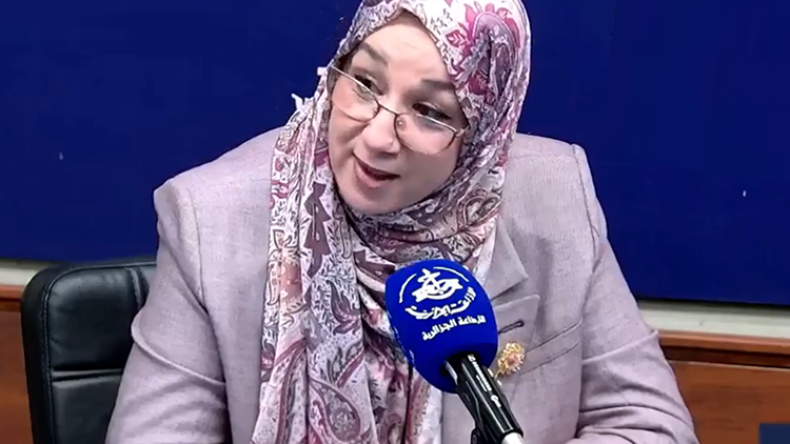
Childhood in Algeria receives special attention from the highest authorities, including President Abdelmadjid Tebboune. Protecting children and promoting their rights is a top priority within the Algerian state's public policies. Dalila Oulian stated that "Childhood in Algeria receives special attention and direct care from the highest authorities in the country, led by the President of the Republic, Abdelmadjid Tebboune, indicating that protecting the child and promoting his rights has become a top and fundamental priority within the public policies of the Algerian state." The nation's constitution guarantees fundamental rights for children, such as access to free education and healthcare. Additionally, the constitution ensures full social care for minors. These provisions form part of a broader framework designed to safeguard the well-being and development of Algerian children. The constitutional amendment of 2020 further solidified this commitment by enshrining the principle of the best interests of the child. This legal foundation reinforces the state's dedication to child protection across all sectors. The establishment of the cyber vigilance cell aligns with this overarching commitment to child protection, extending it into the digital realm.
Impact and Statistics
The school enrollment rate for children in Algeria has reached approximately 99 percent, reflecting significant educational access. Additionally, the national hotline '1111', which serves as a key channel for public reporting, processes around 5,000 notifications and reports daily. These figures show the extensive reach of child-focused initiatives and the ongoing public engagement with protection mechanisms in the country. The high volume of daily reports to the '1111' hotline notes the active role citizens play in flagging concerns and the responsiveness of the protection system.
Official Statements
The cyber vigilance cell operates in coordination with the Ministry of National Defense and the Ministry of Interior and Local Authorities and Urban Planning. This collaborative approach ensures full coverage and effective response mechanisms across different governmental sectors. The 2020 constitutional amendment enshrined the principle of the best interests of the child, providing a strong legal basis for all child protection initiatives. The National Authority for the Protection and Promotion of Childhood submits an annual report on childhood status to the President of the Republic. This regular reporting mechanism ensures accountability and continuous evaluation of child protection efforts at the highest level of government. The coordinated efforts among key ministries are designed to maximize the cell's effectiveness in addressing the multifaceted challenges of online child exploitation.