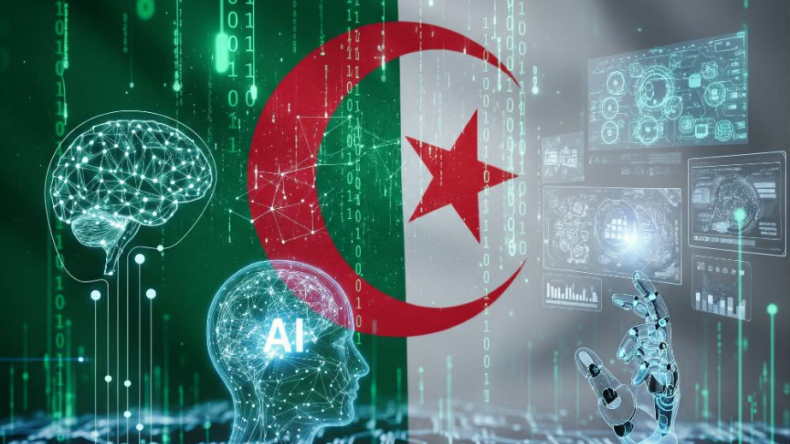
Algeria is establishing specialized higher institutes for Artificial Intelligence (AI) to cultivate local talent, a strategic initiative aimed at bolstering the nation's digital sovereignty. These efforts are a direct reflection of President Abdelmadjid Tebboune's overarching priority for digitalization and Artificial Intelligence across the country. The new institutions are designed to attract top Baccalaureate graduates, offering advanced training in critical AI fields such as machine learning, data science, and natural language processing. This move shows Algeria's commitment to developing its human capital in emerging technologies, recognizing AI as a key domain for future economic growth and national security. The program seeks to equip a new generation with the skills necessary to drive innovation and reduce reliance on foreign expertise in critical digital domains, thereby fortifying the nation's technological independence. This strategic investment in education and talent development is seen as a foundational step towards building a strong, self-sufficient digital ecosystem capable of addressing Algeria's unique challenges and opportunities.
Building National AI Competencies
The National Higher School of AI in Sidi Abdallah serves as a key institution for top Baccalaureate achievers in Algeria, representing a cornerstone of the nation's AI development strategy. Established by Presidential Decree No. 21-323 on August 22, 2021, the school began its academic operations during the 2021-2022 academic year, marking a significant milestone in Algeria's educational landscape. Its creation is part of a broader national effort to cultivate specialized talent in artificial intelligence, ensuring a steady supply of highly skilled professionals. The curriculum is meticulously designed to cover advanced AI concepts and applications, preparing students for leadership roles in both research and industry.
The institution focuses intently on developing local expertise to contribute to Algeria's digital autonomy. This initiative aims to equip Algerian professionals with the skills required to innovate within the country's specific linguistic and cultural frameworks, ensuring that AI solutions are not only technologically advanced but also culturally relevant. Dr. Nizar Djellal Adnani, an expert in AI and innovation, has emphasized the key importance of developing AI models that can comprehend Algerian languages, local context, and cultural nuances. This strategic approach notes a deliberate focus on tailoring AI development to suit national requirements and ensure direct relevance to the Algerian population, moving beyond generic, globally developed models. The school's curriculum and research are therefore designed to address these distinct national needs, fostering a generation of AI specialists capable of contributing to sovereign digital solutions that are deeply integrated with Algerian identity and societal structures. By nurturing talent that understands the local context, Algeria aims to create AI systems that are more effective, inclusive, and aligned with national values.
Data as the New Oil
The initiative to develop AI talent is a central component of President Abdelmadjid Tebboune's broader priority for digitalization and Artificial Intelligence across Algeria. This strategic focus aims to capitalize on the nation's substantial digital assets, recognizing data as a critical resource in the modern economy. Algeria possesses 27.5 million digital identities, representing a significant data wealth that officials seek to leverage through strategic investment and innovative application. This vast pool of digital identities provides a rich foundation for developing advanced AI applications tailored to the needs of the Algerian populace. Concurrently, a full plan for '100 5G zones' is underway across the country, aiming to transform fifth-generation technology into a powerful production engine for the economy. The rollout of 5G infrastructure is expected to provide the high-speed connectivity and low latency necessary to support advanced AI applications and the massive data transfers they require.
Economist Dr. Hatem Harkati showed the immense value of this resource, stating unequivocally that data is the 'new oil' for Algeria, noting its potential to fuel economic growth and innovation. The country's strong digital landscape further supports this perspective, with approximately 37.8 million internet users recorded as of the end of 2025, representing a significant 79.5% of the population. This high internet penetration provides a broad user base for digital services and generates substantial amounts of data. The nation reports over 55.6 million active mobile connections, indicating an exceptionally strong digital footprint and widespread mobile device usage. To effectively manage, process, and secure this extensive and growing volume of data, Dr. Harkati proposes a full national roadmap for data infrastructure. This roadmap includes the ambitious establishment of 4 to 6 advanced data centers strategically located across the country. This proposed infrastructure would not only support the capabilities of newly trained AI professionals but also ensure data residency and national control over critical digital assets. The National Center for Digital Services was formally inaugurated on July 5, 2026, further solidifying Algeria's commitment to digital transformation and providing a central hub for digital government initiatives and data management. This center is expected to play a key role in coordinating efforts to leverage Algeria's digital wealth.
Navigating Sovereignty and Dependency
While Algeria prioritizes developing AI talent as a cornerstone of its digital sovereignty strategy, experts suggest that true digital sovereignty begins with owning and developing alternatives to foreign technologies. This perspective notes the broader challenges that extend beyond human capital development, encompassing technological infrastructure and policy frameworks. Algeria has proactively established strong legal frameworks to protect its citizens' digital rights, notably with Law No. 18-07, which meticulously governs the protection of natural persons in the processing of personal data. This full legislation aims to safeguard individual information and privacy within the country's rapidly expanding digital ecosystem, providing a legal foundation for data protection.
However, the foundation of genuine digital independence also relies heavily on strong physical infrastructure and the availability of national technological alternatives. Dr. Ali Kahlane, an esteemed expert in computer science, emphasizes the critical role of strong infrastructure and the development of national alternatives alongside the cultivation of local competencies. This suggests that without domestically owned and operated technological platforms, secure data storage solutions, and national cloud services, even highly skilled local talent might still operate within digital environments predominantly controlled by foreign entities. Dr. Hicham Matrouh, a distinguished digital transformation specialist, reinforces this profound concern, issuing a stark warning that storing citizen data on foreign servers inherently subjects this sensitive information to jurisdictions outside Algeria's national control and legal purview. This dependency poses significant risks to data privacy, national security, and the ability to enforce national laws concerning data. It shows the urgent and full need for holistic digital infrastructure development to complement the substantial investment in AI expertise, ensuring that Algeria's digital future is truly sovereign and secure. The establishment of national data centers and the development of indigenous technological solutions are therefore not just economic imperatives but critical components of national sovereignty.