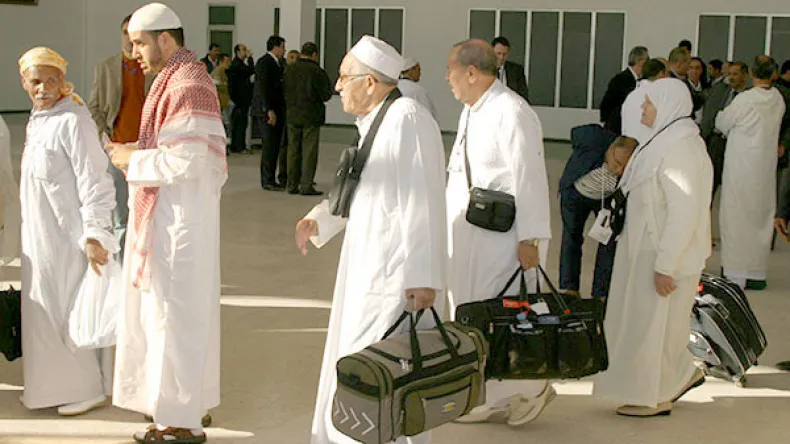
Algeria has introduced stringent new conditions for the transportation of its pilgrims for the 2027 Hajj season, aiming to significantly upgrade service standards. The conditions book for the transportation of Algerian pilgrims for the Hajj season of 2027 includes strict standards for service, reflecting a full effort to enhance the pilgrim experience. The updated conditions book mandates that all buses used for pilgrim transport must be of the 2024 model year or newer. These vehicles are required to feature a range of luxury amenities, including premium seating, onboard toilets, and sophisticated audio-visual systems. Additionally, the new regulations specify that buses must be equipped with display screens, GPS navigation, Wi-Fi connectivity, and USB charging ports to enhance the comfort and convenience of pilgrims travelling to the holy sites. These detailed requirements are designed to ensure that Algerian pilgrims receive a high standard of comfort and connectivity throughout their sacred journey.
Fleet and Vehicle Specifications
A minimum of 865 buses must be allocated for the transportation of pilgrims and mission members, according to the new conditions. This substantial fleet is deemed necessary to accommodate all Algerian pilgrims and accompanying mission staff efficiently and comfortably. The regulations stipulate that these buses must be air-conditioned and no older than three years from their manufacturing date, ensuring modern and reliable transport. Contractors are required to own these buses directly, rather than leasing them, a measure intended to guarantee direct accountability and quality control over the vehicle fleet. The new conditions also obligate contractors to provide vehicles equipped with the latest comfort, safety, and tracking technologies, further emphasizing the commitment to pilgrim welfare.
Additionally, the Algerian national flag must be prominently displayed on all buses used for pilgrim transport, serving as a clear identifier and symbol of national pride. All vehicles must comply with safety and technical inspection requirements set forth by Saudi Arabia for operations within the Kingdom, ensuring adherence to international and local standards. Buses with manufacturing models older than 2024 will be explicitly excluded from participating in the 2027 Hajj transport, reinforcing the requirement for a modern fleet. This strict age limit shows the authorities' determination to prevent the use of outdated or potentially unreliable vehicles. The full specifications aim to provide a smooth and secure travel experience for all Algerian pilgrims.
For the Algerian Hajj Affairs teams, four small buses, each with a minimum capacity of 15 seats, are to be allocated. These dedicated vehicles are key for the efficient movement of support staff. Modern cars, also no more than three years old, must be provided for the office of Algerian Hajj Affairs to facilitate their operations, ensuring that administrative and logistical support functions are well-resourced. The full requirements aim to ensure a high standard of service and safety for all Algerian pilgrims, from the moment they embark on their journey until their return.
Operational and Compliance Mandates
Offers that fail to meet the stipulated technical conditions will be excluded from consideration, according to the new Algerian Hajj regulations for 2027. This rigorous screening process is designed to ensure that only highly qualified and compliant contractors are selected. Authorities plan to enforce daily monitoring of the transport program's execution to ensure compliance, with dedicated personnel overseeing operations on the ground. Contractors are required to submit permits issued by the General Syndicate of Cars Company for transporting pilgrims during the Hajj journey no later than the 4th of Dhu al-Hijjah. This deadline is critical for ensuring all necessary permissions are in place well in advance of the pilgrimage.
In addition to vehicle requirements, contractors must provide mobile technical workshops to accompany the buses throughout the pilgrimage. These workshops are essential for addressing any mechanical issues promptly, minimizing delays and ensuring continuous service. Drivers are mandated to wear unified uniforms and demonstrate full awareness of the routes within the holy sites, including Mecca and Medina. This ensures professionalism and efficient navigation in crowded and sacred areas. Guides must also accompany buses when operating in the holy sites, ensuring pilgrims are properly assisted with directions, logistics, and any other needs, particularly those unfamiliar with the pilgrimage sites.
During inter-city travel between Mecca and Medina, pilgrims are to be provided with packaged meals. This provision ensures pilgrims receive adequate sustenance during longer journeys, contributing to their overall comfort and well-being. The new rules also stipulate that transport companies must coordinate with the service provider on the 'Nusuk Masar' platform, which is approved by the Ministry of Hajj and Umrah. This integration aims to streamline operations and enhance pilgrim services through a unified digital system, facilitating better management and communication. The coordination requirement ensures that Algerian transport services are fully integrated into the broader Saudi Hajj infrastructure.
The preparatory delegation reserves the right to exclude any contractor found to have breached contractual obligations in previous Hajj seasons, emphasizing accountability and rewarding a track record of reliable service. This measure aims to prevent contractors with a history of poor performance from participating again. Each contractor must provide a responsible supervisor to monitor bus performance and receive feedback directly from the office of Algerian Hajj Affairs. This supervisor acts as a direct point of contact for addressing any issues that may arise. To facilitate oversight, the contractor is also required to furnish an office for a duty officer from the office of Algerian Hajj Affairs within the contractor's GPS operations room. This dedicated space allows for real-time monitoring and coordination, ensuring immediate response to any operational challenges.
Penalties and Contractual Safeguards
Contractors face financial penalties and potential contract termination if they fail to meet their obligations, according to the new Algerian Hajj regulations for 2027. These penalties are designed to deter non-compliance and ensure adherence to the stringent standards. The office of Algerian Hajj Affairs reserves the right to terminate any contract and claim damages for material losses should a contractor fail to comply with Saudi regulations. This clause provides a strong legal basis for enforcing compliance and recovering costs incurred due to contractor negligence.
Offers that score less than 25 points in the approved scoring system will be excluded from consideration, ensuring that only the most qualified bids are accepted. This transparent scoring system promotes fairness and quality in the selection process. In the event of any breach of obligations, the office of Algerian Hajj Affairs is empowered to notify Saudi authorities, deduct associated costs, and impose financial penalties for each affected pilgrim. This multi-layered approach to enforcement ensures that both national and international regulations are upheld, and that pilgrims are compensated for any service deficiencies. Should repeated violations occur, the office can immediately terminate the contract and pursue legal action for compensation, demonstrating a firm stance against persistent non-compliance. These full penalties and safeguards show Algeria's commitment to delivering a high-quality and reliable Hajj experience for its citizens.