Food poisoning incidents have re-emerged as a significant concern in Algeria, prompting widespread discussions about affected individuals and generating considerable consumer panic. This alarming trend has brought the issue of food safety back to the forefront of public health concerns. Recent analyses, for instance, identified poor storage of sensitive ingredients as the confirmed cause of a specific incident impacting 31 people, showing the critical need for stringent food handling practices. The scale and widespread nature of this challenge are particularly evident in the province of Setif, which serves as a compelling model reflecting the magnitude of this public health crisis due to its high population density and significant commercial activity. Setif's characteristics, including its bustling markets and numerous food establishments, highlight the potential for widespread impact from such incidents across the entire country, making it a key focal point for prevention and awareness efforts.
Unsafe Food Practices Exposed
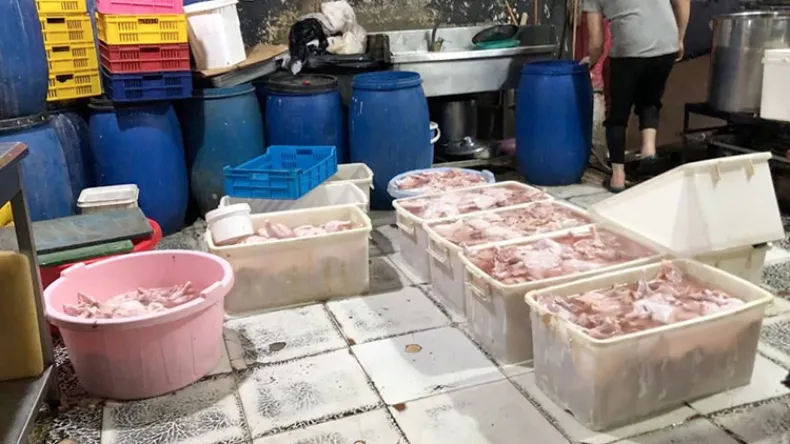
Negligence is a common and widespread factor identified in most food poisoning incidents, contributing significantly to a recurring public health concern that jeopardizes consumer well-being. This lack of due care often manifests in various stages of food preparation and storage, transforming otherwise safe ingredients into potential health hazards. Some establishments, unfortunately, have become potential hotbeds for poisoning, where a combination of fraudulent practices, a glaring lack of hygiene, and poor storage conditions create an environment ripe for bacterial proliferation. The most dangerous ingredients frequently used in fast food, which are particularly susceptible to spoilage, include minced meat, chicken, eggs, and various sauces. These items spoil quickly and necessitate a rigorous refrigeration chain that must be respected and cannot be broken, even for short periods, to prevent the rapid growth of harmful bacteria.
Among the most dangerous recurring practices observed, which poses a substantial risk to public health, is the illicit use of cracked eggs. Such eggs should be discarded immediately upon discovery due to their compromised shell integrity, which allows bacteria to easily enter. However, some unscrupulous traders reportedly purchase these damaged eggs at significantly low prices and incorporate them into the preparation of sauces, dough, and various meals, thereby introducing a significant health risk to unsuspecting consumers. Additional practices contributing to widespread food safety concerns include refreezing meat after it has thawed, a process that can encourage bacterial growth and degrade meat quality; the repeated reuse of burnt oils, which can produce carcinogenic compounds; and the storage of sauces outside of proper refrigeration units, allowing for rapid spoilage. These actions, driven by a disregard for safety standards, have been directly linked to dire consequences for public health, leading to numerous cases of foodborne illnesses.
The danger associated with these practices increases significantly when establishments prepare hundreds of meals simultaneously, often under pressure to meet high demand. In such high-volume situations, maintaining the critical cold chain becomes an even more substantial challenge, particularly for highly sensitive ingredients like fresh meats, minced meat, chicken, delicate desserts, and perishable fruits. The sheer volume of production, coupled with inadequate facilities or rushed procedures, exacerbates the risk of contamination and bacterial growth if stringent hygiene and storage protocols are not meticulously followed at every step of the preparation process.
Official Response and Prevention Efforts
In response to the escalating concerns, the Directorate of Commerce of Setif province intensified its field visits as part of the national program for awareness and prevention of food poisoning. These proactive efforts aim to curb the recurrence of such incidents, which have understandably raised significant public health concerns across the region. The increased surveillance is a critical step in enforcing existing regulations and ensuring compliance among food businesses.
Campaigns conducted by authorities extended their reach to banquet halls, which are often sites of large gatherings and mass meal preparation. During these interventions, managers and workers received key reminders on the critical importance of adhering to stringent hygiene rules throughout the food handling process. Officials specifically emphasized the necessity of maintaining the cold chain for all perishable ingredients, from delivery to preparation and serving, and stressed the importance of using only sound, untainted raw materials to ensure full food safety for consumers attending these events. These educational and enforcement efforts are designed to mitigate risks in environments where a single lapse can affect many people.
Further intensifying their oversight, field operations in Ain Wlman specifically targeted a range of food establishments, including restaurants, fast-food outlets, and foodstuff stores. Inspectors focused meticulously on verifying hygiene standards, assessing the storage conditions for various products to ensure they meet safety requirements, and ensuring transparent price displays as part of broader regulatory compliance checks. This full approach aims to address multiple facets of food safety and consumer protection.
Officials have publicly stated that some unscrupulous traders, driven solely by the pursuit of quick profits, knowingly risk citizens' health by cutting corners. This relentless pursuit of financial gain often leads to compromising fundamental food safety standards, directly contributing to the persistent challenge of foodborne illnesses in the region and undermining public trust in food establishments.
Expert and Consumer Perspectives
The tragic case of the 14-year-old child Tim Aliyous, who died ten days after receiving intensive care treatment, starkly illustrates the severe consequences of food poisoning. Tim Aliyous suffered severe food poisoning alongside dozens of other individuals after they consumed 'shabati' sandwiches from a fast-food outlet located in the Ain Mous neighborhood. This incident serves as a grim reminder of the potential lethality of foodborne pathogens. The risks of food spoilage are notably increasing with the advent of rising temperatures, which accelerate bacterial growth. This period also coincides with heightened demand for fast food, ice cream, and cold drinks, as well as during weddings and events, all of which present unique challenges due to factors such as poor storage, negligence, or outright fraud in food preparation.
Consumers have expressed significant fear regarding watermelon, a popular fruit, as it has been linked to several poisoning incidents, prompting caution among the public. Dr. Abdelkader Alyat, a distinguished nutrition specialist, explained a critical aspect of food safety: most bacteria responsible for poisoning do not alter the color or smell of food, making contaminated items deceptively normal in appearance. Dr. Alyat stated, "Most bacteria causing poisoning do not change the color or smell of food, so a meal may appear completely safe but carry millions of germs capable of causing serious complications, especially in vulnerable groups such as children and the elderly." This expert insight notes the hidden dangers that consumers may unknowingly face.
Experts also note that regulation alone, while essential, is insufficient to prevent the widespread occurrence of food poisoning. They emphasize that the consumer serves as the primary and most key link in the chain of prevention by making informed choices. This includes actively selecting clean and reputable establishments and steering clear of suspicious food items or those whose preparation and storage conditions appear questionable. The collective vigilance of consumers, alongside strong regulatory enforcement, is vital in safeguarding public health against foodborne illnesses.