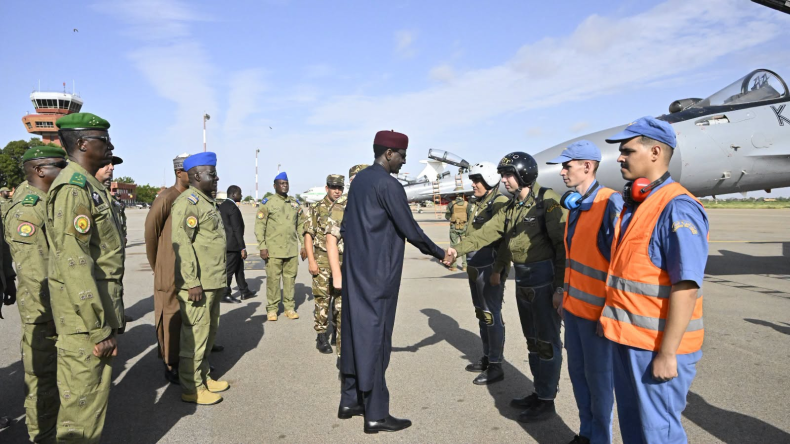
Two patrols of fighter jets, accompanied by an air-to-air refueling aircraft, landed at Niamey Airport in النيجر on Sunday, August 30. The deployment occurred as Algeria continues to monitor regional stability, showcasing its proactive stance in regional affairs.
Algeria's Regional Security Commitment
The fighter jet patrols were dispatched by Algeria to provide support to the Nigerien army, according to reports, directly addressing security concerns. This deployment aligns with Algeria's broader commitment to regional security, particularly in light of ongoing challenges in the Sahel, a region grappling with various forms of instability. The Algerian military has historically played a significant role in addressing instability within its immediate neighborhood, often acting as a key security guarantor. The presence of Algerian air assets in Niamey shows a direct engagement in supporting neighboring forces, reinforcing the bonds of regional cooperation. Algeria's strategic posture in the region often involves collaboration with its neighbors to counter various threats, including terrorism, organized crime, and other destabilizing elements. The decision to send fighter jets to Niger demonstrates a tangible step in this cooperative security framework, noting a practical application of its foreign policy. This action reaffirms Algeria's dedication to fostering peace and stability across its borders.
Niger's Gratitude and Request
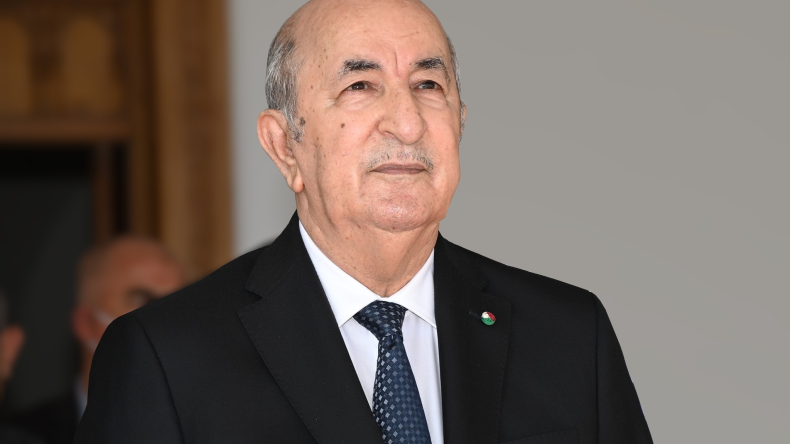
The decision to deploy the fighter jets followed "unfortunate events" in the Nigerien capital, Niamey, which sought to destabilize the country, according to reports. These events prompted a swift response from regional allies. This deployment was also made in response to a direct request from the Nigerien leadership, indicating a clear need for external support. The Prime Minister of Niger, Mohamed Bazoum, officially received the Algerian patrols upon their arrival, personally acknowledging the significance of the assistance. During the reception, Prime Minister Bazoum expressed his deep gratitude to President Tebboune and the Algerian people for their swift and tangible support, emphasizing the timely nature of the intervention. This gesture shows the cooperative relationship between the two nations in addressing regional security concerns and marks a significant moment in their bilateral defense cooperation. The Prime Minister's words noted the critical importance of such solidarity in times of crisis, further cementing the strategic partnership between Algeria and Niger.
Details of the Deployment
Algeria dispatched two patrols of Sukhoi Su-30 fighter jets to Niger, with each patrol consisting of two aircraft, totaling four fighter jets. This specific type of advanced aircraft was chosen for its capabilities. The deployment was undertaken to provide direct support to the Nigerien army, enhancing its operational capacity. According to reports, these advanced aircraft were sent as part of a mission aimed at bolstering Niger's defense capabilities and contributing to regional deterrence. The arrival of the Sukhoi Su-30 jets signifies a concrete action by Algeria to assist its neighbor in maintaining regional stability, showcasing its commitment beyond mere rhetoric. The mission shows Algeria's ongoing commitment to security cooperation within the Sahel region, reflecting a strategic effort to address immediate security challenges faced by Nigerien forces with high-performance military assets. The deployment also included an air-to-air refueling aircraft, ensuring the operational reach and sustainability of the fighter jet patrols.
Broader Regional Context
This operation aims to reaffirm Algeria's commitment to strengthening security and stability across the region and renews its support for the government and people of Niger. It reflects a consistent foreign policy objective. This deployment shows Algeria's consistent posture regarding regional security challenges, emphasizing its role in fostering stability among its neighbors through active engagement. The action notes a direct effort to bolster security initiatives within the Sahel, reflecting Algeria's strategic interest in supporting allied nations and preventing the escalation of conflicts. This demonstrates a practical implementation of Algeria's foreign policy objectives to maintain peace and order in its immediate vicinity, contributing to a more secure regional environment. The intervention serves as a clear message of solidarity and a testament to Algeria's determination to uphold regional security frameworks.