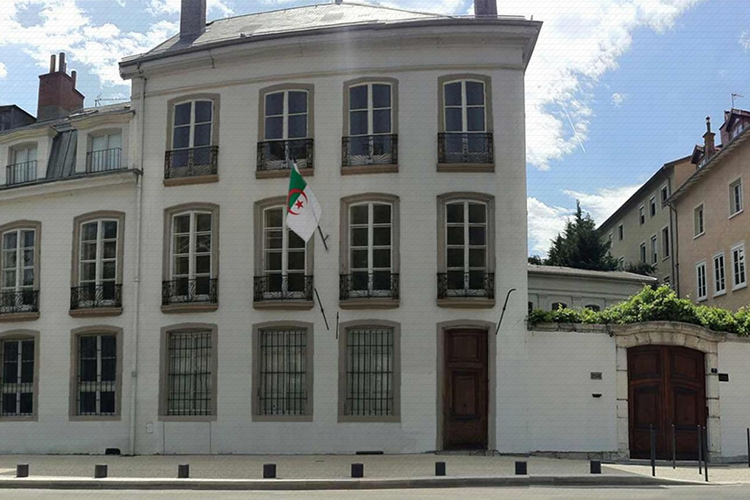
Algeria has completed its consular representation in France with the appointment of three new consuls, according to official statements. This development follows President Abdelmadjid Tebboune's decision to withdraw the Algerian ambassador to France on July 31, 2024. Among the new appointments, Belkacem Bakka was named consul in Bordeaux, France. The Ministry of Foreign Affairs confirmed these appointments, which finalize the diplomatic postings for Algerian consulates across France. This completion marks a significant step in maintaining bilateral services despite ongoing diplomatic friction between Algiers and Paris. The full establishment of consular posts ensures that Algerian nationals residing in France continue to receive necessary administrative and protective services.
Consular Appointments Finalized
Mouna Youssefi has been appointed consul in Grenoble, France, further solidifying Algeria's diplomatic presence. This appointment is key for serving the Algerian community in the southeastern region of France. Amina Nouisser also received an appointment, taking up the role of consul in Besançon, France, extending consular services to another key area. These recent appointments, alongside that of Belkacem Bakka in Bordeaux, complete the Algerian consular representation across France, ensuring full coverage. The foundation for these diplomatic postings stems from a presidential decree that President Abdelmadjid Tebboune signed on August 23 of the previous year. This decree was subsequently published in Algeria’s Official Gazette No. 63, dated September 1, formalizing the decisions and providing the legal basis for these diplomatic assignments. The Ministry of Foreign Affairs confirmed that these appointments finalize the diplomatic postings for Algerian consulates throughout France, showing the government's commitment to its diaspora.
The three newly appointed consuls have commenced their duties at different times, marking the gradual but complete operationalization of these key consular offices. One consul began work on May 18, 2026, another on May 30, 2026, and the third on May 31, 2026. These staggered start dates allowed for a smooth transition and integration into their respective posts. The full operational status of these offices is critical for the thousands of Algerian citizens residing in various French departments who rely on these consulates for administrative support, passport services, and other essential consular functions. The strategic placement of these consulates across France aims to provide accessible services to the large Algerian community, which is one of the largest foreign communities in the country.
Lingering Diplomatic Tensions
Despite the completion of consular appointments, the Algerian embassy in Paris remains without an ambassador, reflecting ongoing friction between the two nations. This diplomatic vacancy persists even after the French ambassador returned to his post in Algeria last May, noting the asymmetrical nature of the current diplomatic impasse. The broader crisis impacting bilateral relations originated more than two years ago, following a decision made by French President Emmanuel Macron concerning the Sahrawi issue, which Algeria views as a critical matter of international law and self-determination. This decision by President Macron significantly strained the historically complex relationship between Algeria and France.
Further exacerbating tensions, French authorities had previously obstructed eight Algerian consuls from taking up their posts in France. This obstruction was a direct consequence of the mutual expulsion of consular agents by both countries in April 2025, a tit-for-tat measure that escalated diplomatic difficulties. The Algerian Foreign Ministry had previously communicated concerns regarding a perceived lack of cooperation from French authorities in facilitating diplomatic processes, indicating a deeper level of discontent beyond individual incidents. These events show the persistent diplomatic challenges that have characterized the relationship between Algeria and France over the past two years, even as consular representation has now been fully established. The absence of an ambassador in Paris continues to signify a lack of full normalization in high-level diplomatic engagement.
Expert Analysis and Outlook
President Abdelmadjid Tebboune's decision to withdraw the Algerian ambassador to France on July 31, 2024, was made in protest against French President Emmanuel Macron’s stance on the Western Sahara issue. This move signaled Algeria's strong disapproval of France's position, which Algiers perceives as deviating from international consensus on the disputed territory. Algeria maintains 18 consulates, which are distributed across various French departments to serve its diaspora. This extensive network makes Algerian consular representation in France the highest among all countries, reflecting the significant size and importance of the Algerian community residing there. This widespread consular presence ensures that Algerian citizens across France have access to their government's services, regardless of the broader diplomatic climate.
In March, Algeria's Official Gazette published a decree detailing the appointment of new consuls in key French cities, including Paris, Marseille, and Strasbourg. These appointments, preceding the most recent ones, demonstrated Algeria's ongoing commitment to strengthening its consular network despite the diplomatic difficulties. The Algerian Foreign Ministry has previously communicated concerns regarding a perceived lack of cooperation from French authorities in facilitating diplomatic processes, suggesting that the path to full bilateral normalization remains complex. The completion of consular postings, while a practical step, does not fully resolve the underlying political disagreements that continue to shape Algerian-French relations. The continued absence of an Algerian ambassador in Paris serves as a constant reminder of these unresolved tensions.