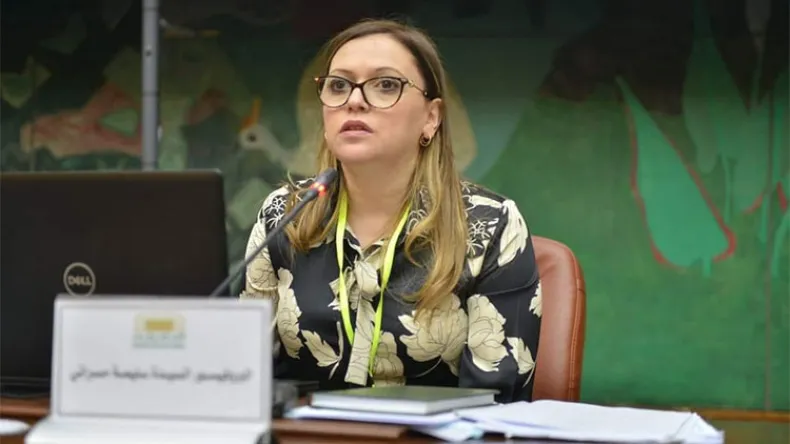
Algeria has actively engaged in African initiatives promoting integrity and governance, recently securing a significant leadership position within the continent's anti-corruption efforts. The nation was elected as the second vice-president of the Association of African Anti-Corruption Bodies for a four-year term. This move notes Algeria's commitment to strengthening ethical frameworks and combating corruption across Africa.
Developing the Nezaha Index
The "Nezaha" (Integrity) efficiency index was developed by the Higher Authority for Transparency, Prevention, and Fight against Corruption. This index aims to assess integrity within various sectors. A study day dedicated to the "Nezaha" index was held under the high patronage of the President of the Republic, Abdelmadjid Tebboune, showing its national importance.
The development process involved extensive collaboration across the Algerian administration. Thirteen ministerial sectors and seven public institutions and administrations participated directly in the creation of the "Nezaha" index. The study day itself was specifically dedicated to the public and private economic sector, noting the index's intended application and impact on economic activities. This focus reflects Algeria's broader strategy to integrate integrity measures into its economic development initiatives.
Algeria's African Leadership
Selima Mesrati, President of the Higher Authority for Transparency, Prevention, and Fight against Corruption, affirmed that combating corruption is a collective responsibility extending beyond national borders. Mesrati stated that Algeria is "firmly convinced that the fight against corruption is a collective responsibility that transcends national borders," and has therefore been "an active partner in various African initiatives aimed at developing integrity and governance systems." She added that Algeria contributes its expertise and experience to support joint African action, believing that "the future of the continent is built on cooperation and the sharing of best practices." She also described a "continental recognition of Algeria's standing in strengthening integrity and preventing corruption, and its ability to contribute to developing joint African action and continuing to push towards building a continental space based on transparency, the rule of law, and good governance." Mesrati further characterized this path as "special significance" and "strategic choices in the path of building a victorious Algeria."
Ntibazumwa Prancip, rapporteur of the African Union Advisory Council for Combating Corruption, commended Algeria's efforts in strengthening anti-corruption measures across Africa. Mesrati elaborated that the current institutional reform process is "based on a firm conviction that sustainable development cannot be separated from good governance, and that protecting public funds begins with building strong institutions capable of prevention before repression, and evaluation before correction, and instilling a culture of integrity as a collective responsibility." She called it a "roadmap that aligns with the vision led by the President of the Republic, which has established a new phase of profound reforms." According to Mesrati, this vision's pillars are "modernizing state institutions, enhancing transparency, enshrining accountability, valuing digitization, improving public service, and providing a more attractive environment for investment, thereby strengthening trust and establishing the rule of law." She noted a "remarkable development in the culture of governance within the Algerian administration" and emphasized that "enshrining integrity in the economic sphere has today become one of the most important pillars of sustainable development and one of the essential conditions for improving the business and investment climate, enhancing the competitiveness of institutions, and strengthening trust among economic actors."
Integrity as a Development Pillar
Algeria's commitment to integrating integrity into its economic framework stems from a belief that sustainable development is intrinsically linked to good governance. Selima Mesrati, President of the Higher Authority for Transparency, Prevention, and Fight against Corruption, stated that the ongoing institutional reform process is "based on a firm conviction that sustainable development cannot be separated from good governance." Mesrati emphasized that protecting public funds begins with building strong institutions focused on prevention and instilling a culture of integrity as a collective responsibility.
This approach aligns with the vision led by President of the Republic Abdelmadjid Tebboune, which has established a new phase of profound reforms. The pillars of this vision include modernizing state institutions, enhancing transparency, enshrining accountability, valuing digitization, and improving public service to provide a more attractive environment for investment. Mesrati noted a "remarkable development in the culture of governance within the Algerian administration," asserting that "enshrining integrity in the economic sphere has today become one of the most important pillars of sustainable development." This also serves as an essential condition for improving the business and investment climate, enhancing the competitiveness of institutions, and strengthening trust among economic actors.