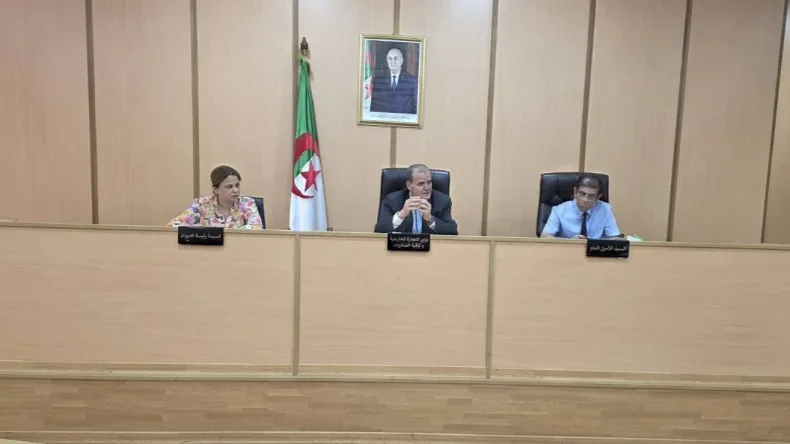
Algeria's national strategy to promote non-hydrocarbon exports relies fundamentally on developing logistics infrastructure for export, Minister of Foreign Trade and Export Promotion Kamel Rezig affirmed. Mr. Rezig made the announcement during a meeting focused on export operations. The gathering included representatives from several ministerial sectors and bodies concerned with export operations. Also in attendance were representatives from various associations and economic employers' organizations, showing the collaborative approach to enhancing Algeria's trade capabilities. The discussions noted the government's commitment to diversifying its export base beyond hydrocarbons. This strategic shift aims to reduce the nation's economic dependence on fossil fuels and foster sustainable growth across other sectors.
Strategic Importance of Logistics
Minister of Foreign Trade and Export Promotion Kamel Rezig showed the necessity of harmonizing efforts across various sectors and bodies. Mr. Rezig stated this coordination is vital to ensure the implementation of logistics projects. These projects, he noted, must meet the specific needs of economic operators and contribute to enhancing the competitiveness of Algerian products in international markets. Rezig further emphasized the importance of unifying the efforts of various sectors and bodies to ensure the successful implementation of these logistics projects. The minister's remarks noted the government's focus on creating an integrated logistics framework to support its export diversification goals. This approach aims to streamline processes for businesses and improve the efficiency of goods movement, from production to global distribution. The government seeks to strengthen Algeria's position in global trade by addressing logistical bottlenecks and fostering a more efficient export ecosystem.
Meeting Focuses on Platform Implementation
A working meeting took place at the Ministry of Foreign Trade and Export Promotion to examine the project for establishing logistics platforms dedicated to export. This gathering served as a forum for consultation and coordination among various stakeholders involved in the export sector. The meeting, which was specifically organized to study the project of establishing logistics platforms for export, brought together key figures from different government and private entities. The objective was to develop a practical vision for the creation of integrated logistics platforms. The initiative aims to streamline export processes and support Algeria's strategy to diversify its non-hydrocarbon exports. The discussions focused on how these platforms could enhance the efficiency and competitiveness of Algerian products in international markets, providing key support for businesses looking to expand their global reach.
Goals for Exporter Support
The proposed logistics platforms are designed to enhance the service chain for exporters. Officials indicate these facilities will streamline the shipping, storage, and handling of goods destined for international markets. These platforms aim to improve the service chain for exporters, facilitating every step from initial storage to final shipment. This full approach is expected to significantly reduce transit times and costs for Algerian products. The initiative aims to bolster the competitiveness of Algerian products and increase their presence in global trade. This strategic development is part of Algeria's broader effort to diversify its economy beyond hydrocarbon exports, providing key infrastructure support for businesses engaged in foreign commerce and opening new avenues for economic growth.
Call for Unified Action
Minister of Foreign Trade and Export Promotion Kamel Rezig emphasized that the success of the logistics project hinges on a participatory approach. Mr. Rezig stated this strategy requires the involvement of all relevant sectors and bodies. He noted this collective effort is essential to ensure the project's implementation meets the highest standards and satisfies the requirements of economic operators. Mr. Rezig added that such coordination would also serve to open new horizons for Algerian non-hydrocarbon exports, aligning with the nation's broader economic diversification goals to reduce reliance on fossil fuels. He stressed that the success of this project requires a participatory approach involving all relevant sectors and bodies to ensure its implementation according to the best standards, meet the requirements of economic operators, and ultimately open new horizons for Algerian non-hydrocarbon exports.