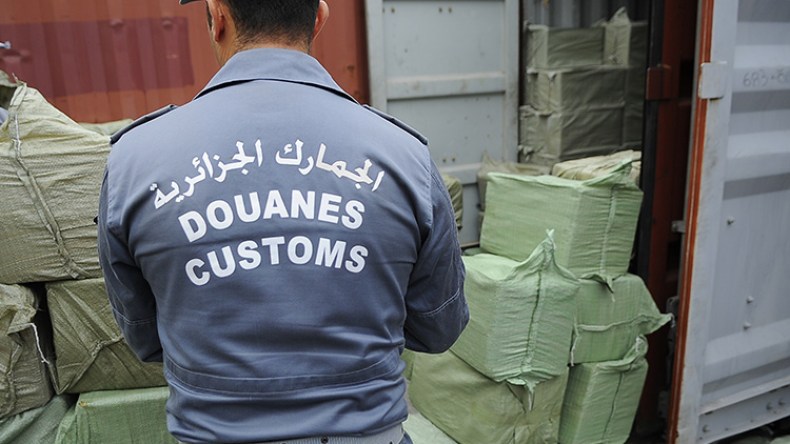
Algerian authorities are moving to tighten their control over the nation's borders, implementing significant new measures to combat smuggling and enhance national security. This full initiative seeks to curb illicit trade and ensure the integrity of the country's extensive frontiers. Major General Bekhouch, Director-General of Customs, approved a new decision dated June 1, 2026, as reported in the latest issue of the Official Gazette. This decision marks a key step in the government's strategy to reinforce border management and oversight. The measure specifically aims to enhance oversight and secure strategic points along the country's extensive land and maritime frontiers, addressing long-standing concerns related to the unregulated flow of goods and people. This initiative reflects a concerted effort to regulate these flows more effectively, directly addressing the challenges posed by illicit trade and its implications for national security. The decision introduces updated protocols for customs operations and inter-agency coordination, laying the groundwork for a more strong and unified approach to border control.
New Customs Guard Posts Established
A cornerstone of the new decision is the establishment and operation of customs guard posts strategically positioned along Algeria's borders. These newly created posts are tasked with ensuring the permanent guarding of the adjacent border strip, providing critical operational support to customs teams already deployed in these areas. They are mandated to foster close coordination with the National Gendarmerie, ensuring a unified and effective security presence. The customs guard posts will operate on a continuous patrol system, maintaining a vigilant 24-hour, seven-days-a-week presence to deter and intercept illegal activities. This round-the-clock operation shows the commitment to maintaining constant surveillance and rapid response capabilities. Each post will be led by a chief, who must hold a rank of at least a brigade officer, ensuring experienced leadership and adherence to established protocols. This structured leadership aims to enhance operational efficiency and inter-agency collaboration in border control efforts, creating a more cohesive and formidable barrier against smuggling.
Expanded Quality Inspectorate Network
In a parallel move to bolster control over inbound and outbound goods, the Ministry of Internal Trade and Market Regulation, in coordination with the Ministry of Finance, has significantly increased the deployment level of quality control and anti-fraud services at the borders. This expansion has raised the number of inspectorates established at land, sea, and air borders, as well as in bonded areas and warehouses, to a total of 53. These inspectorates are key for ensuring that all goods comply with national regulations and international trade standards. The updated list of inspectorate locations covers a wide array of critical entry and exit points, including major ports, international airports, key land crossings, and various areas under customs control.
Specific ports where these enhanced inspectorates are now located include the bustling commercial hubs of Algiers, Oran, Bejaia, Skikda, and Annaba, alongside the strategically important ports of Jen Jen, Mostaganem, and Ténès. The network also extends to several key airports, facilitating rigorous checks on air cargo and passenger baggage, including Houari Boumediene in Algiers, Es Senia in Oran, Constantine, Annaba, and Tébessa. Land crossings now subject to enhanced quality control measures are critical points along Algeria's extensive land borders. These include Oum Taboul, El Haddada, Bouchabka, Maghnia, El Kolla Lotfi, Taleb Larbi, Bordj Badji Mokhtar, Timiaouine, In Guezzam, and Tin Zaouatine. This full geographical coverage ensures that virtually all points of entry and exit are subject to intensified scrutiny.
Strategic Rationale and Objectives
The newly implemented measures are specifically designed to integrate customs and commercial control operations directly on the ground, creating a smooth and efficient system for managing cross-border trade. This objective is to be achieved through an increased presence at border locations and a more rigorous inspection process for all goods, whether entering or leaving the country. Authorities indicate that this integrated approach seeks to streamline oversight and significantly enhance the effectiveness of combating illicit trade, including the smuggling of counterfeit goods and contraband. The intensification of goods inspection at and across Algeria's borders forms a key part of this strategy, aiming to ensure strict compliance with national regulations and international trade standards. This integrated effort strategically connects various control points across land, sea, and air entry zones, creating a unified front against illegal activities and reinforcing the integrity of Algeria's trade and security frameworks.