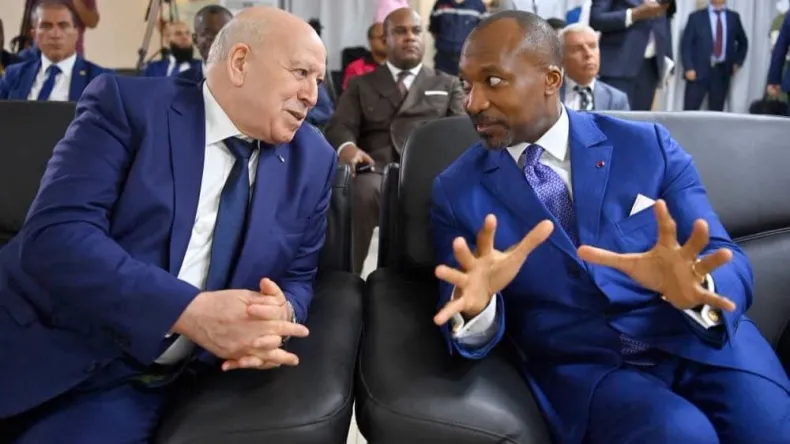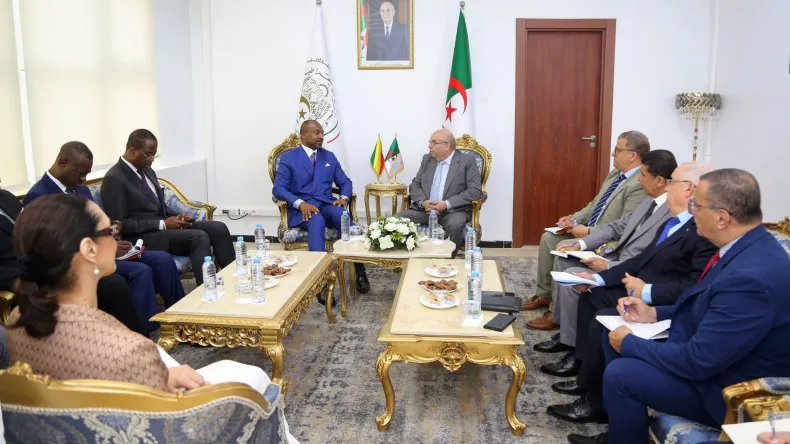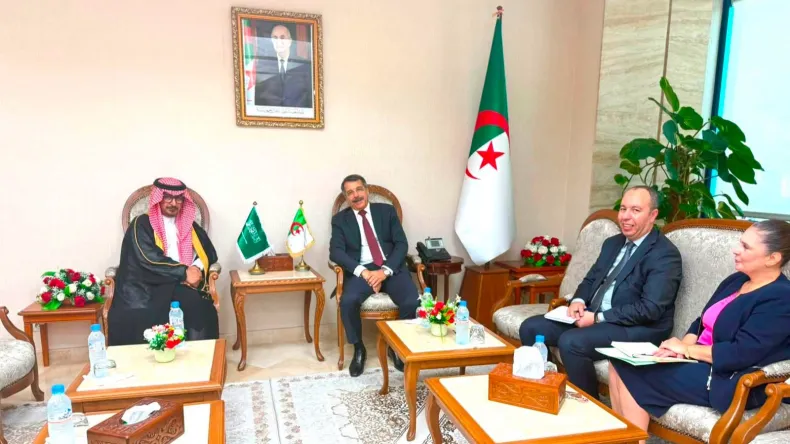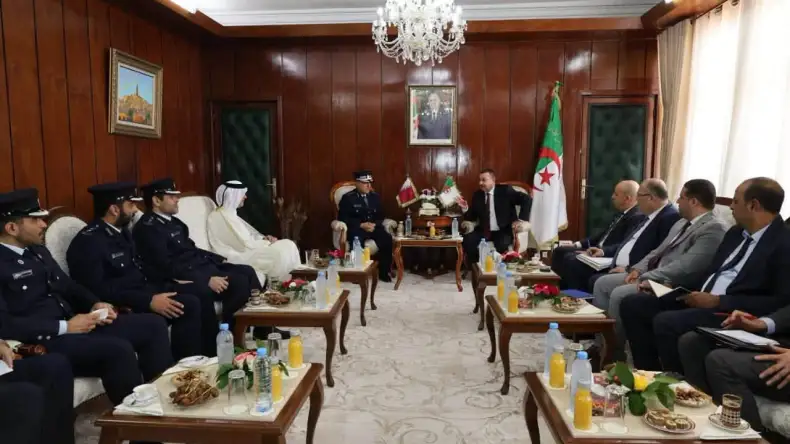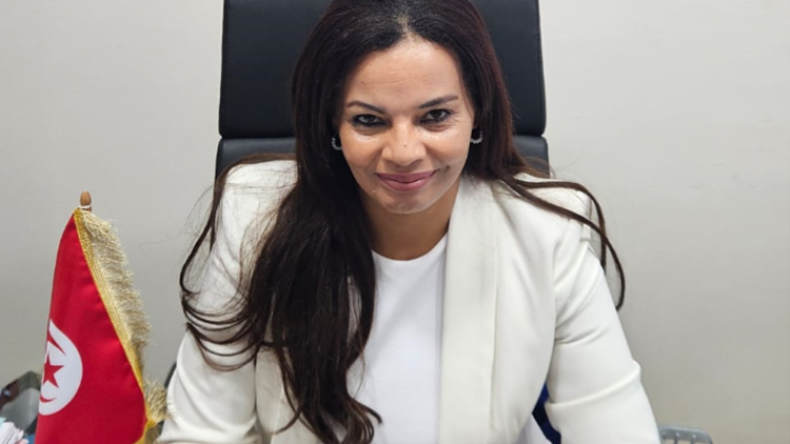
The first session of the Algerian-Tunisian Follow-up Committee convened in Algiers on July 7 and 8, marking a significant step towards strengthening bilateral relations between the two North African nations. This article draws insights from an interview with Mariam Al-Ajimi, Advisor at the Tunisian Embassy in Algeria, who provided a full overview of the committee's objectives and the broader scope of cooperation. Al-Ajimi stated that the committee serves as "a mechanism established to monitor the implementation and activation of the results and recommendations of the Grand Joint Committee, and to prepare for upcoming events." This structured approach ensures that the agreements made at higher levels are effectively translated into actionable initiatives.
Al-Ajimi added that it has been agreed to hold the committee periodically "to be an institutional framework for strengthening bilateral relations, from sectoral cooperation to full partnership, as the foreign ministers of the two countries affirmed." This regular convening shows a shared commitment to consistent dialogue and collaboration across various sectors. She emphasized that "Tunisian-Algerian relations are exemplary, not only in the Maghreb region, but also a model for cooperation and partnership between two neighboring countries that share history, culture, and also the challenges posed by rapid geopolitical transformations." This notes the deep-rooted ties and mutual understanding that form the bedrock of their strategic alliance. Al-Ajimi further noted that "These relations are sponsored by a political will from the highest level of authority in the two countries, His Excellency President Kais Saied and His Excellency President Abdelmadjid Tebboune." This high-level political backing is key for driving the momentum of their collaborative efforts and ensuring the successful implementation of joint projects. The establishment of the Follow-up Committee is a testament to this unwavering political will, providing a dedicated platform to ensure that strategic objectives are met and that the partnership continues to evolve effectively.
Boosting Higher Education Ties
A significant area of collaboration noted by the committee's work is higher education. Both Algeria and Tunisia have agreed to exchange study seats, with a particular focus on fields such as climate, energy, and technology. This initiative aims to foster academic collaboration and specialized knowledge transfer between the two nations, addressing critical areas of future development. The exchange is designed to enrich the academic experience for students and contribute to the scientific and technological advancement of both countries. This strategic focus ensures that educational cooperation is aligned with national priorities and global challenges.
Cooperation between universities in their respective border regions, known as the '5+5' initiative, is also continuously active. This initiative specifically involves universities situated along the shared border, fostering regional academic integration and joint research. The last '5+5' meeting took place in Souk Ahras in December, where it was supervised by the Ministers of Higher Education from both countries. This high-level oversight shows the importance placed on this regional academic partnership. The '5+5' initiative further facilitates the dual supervision of PhD theses, a practice known as Cotutelle. This mechanism allows doctoral candidates to benefit from the expertise of professors from both Algerian and Tunisian institutions, strengthening academic research and collaboration by pooling intellectual resources and promoting cross-cultural academic exchange.
Currently, over 300 Algerian students are pursuing their studies in Tunisia, taking advantage of the academic opportunities available in the neighboring country. Concurrently, the number of Tunisian students enrolled in Algerian universities is experiencing a noticeable increase, reflecting a growing mutual interest in educational exchange. The exchange of study seats between the two countries is presently limited to postgraduate students, specifically those pursuing Master's and PhD degrees. This focus on advanced studies aims to cultivate a highly skilled workforce and research community in both nations.
In June, a joint technical committee meeting on student mobility resulted in an agreement to broaden this exchange to include pedagogical seats. This expansion will allow for the exchange of teaching staff and academic professionals, further enriching the educational landscape and promoting best practices in teaching and research across both countries. Such initiatives are key for building a strong and integrated higher education system that can adapt to future challenges and opportunities. The continuous dialogue and agreements in the higher education sector demonstrate a clear vision for fostering intellectual capital and promoting innovation through shared learning experiences.
Cultural Diplomacy Takes Center Stage
Tunisia considers cultural diplomacy to be an important pillar of its foreign policy, recognizing its power to build bridges of understanding and reinforce shared heritage. This approach underpins several recent agreements designed to deepen cultural ties with Algeria, fostering a richer tapestry of artistic and intellectual exchange. These cultural initiatives are not merely symbolic; they are seen as essential tools for strengthening the bonds between the two peoples.
Among these initiatives, an agreement has been reached to form a joint women's orchestra, fostering musical collaboration between the two nations. This project aims to celebrate cultural diversity and empower women in the arts, creating a unique platform for artistic expression. Additionally, both countries are strengthening cooperation in cinematic residencies and pursuing joint film production projects. These efforts aim to enhance mutual understanding and cultural exchange through the arts, allowing for shared storytelling and the development of a vibrant regional film industry. The collaborative nature of these projects ensures that the cultural narratives reflect the shared experiences and aspirations of both Algerians and Tunisians.
Further cementing cultural bonds, Algeria has been designated as the guest of honor for the upcoming Tunis International Book Fair next year. This recognition provides a prominent platform for Algerian literature and culture to be showcased extensively in Tunisia, promoting intellectual and literary dialogue. This provides an invaluable opportunity for Tunisian readers to engage with Algerian authors and literary works, fostering a deeper appreciation of each other's cultural contributions. Such events are vital for nurturing intellectual curiosity and strengthening the cultural identity of the Maghreb region.
Political Will Drives Momentum
The interview with Mariam Al-Ajimi discusses the outcomes of the first session of the Algerian-Tunisian Follow-up Committee, noting the continued efforts to strengthen bilateral relations. This committee serves as a key mechanism to monitor the implementation of recommendations from the Grand Joint Committee and prepare for future events, ensuring that strategic decisions are translated into tangible progress. Officials from both nations have emphasized the importance of overcoming administrative obstacles to facilitate mutual recognition of certificates. This recognition is a key aspect of their cooperation, aiming to streamline processes for citizens and institutions alike, whether for academic purposes, professional qualifications, or other official documentation. The commitment to addressing these practical challenges reflects a dedication to making cross-border interactions smoother and more efficient.
The ongoing dialogue between the two countries reflects a consistent approach to partnership, which saw the previous Joint Committee meeting held in Tunis in December. This series of high-level engagements shows the sustained political will driving the momentum of their strategic alliance. The structured meetings and follow-up mechanisms are designed to ensure that agreements translate into tangible progress across various sectors, from education and culture to economic cooperation and beyond. This consistent engagement at multiple levels signifies a deeply rooted and evolving partnership that seeks to maximize mutual benefits and address shared challenges effectively. The commitment to regular review and adaptation through these committees ensures that the bilateral relationship remains dynamic and responsive to changing circumstances, solidifying its role as a model for regional cooperation.