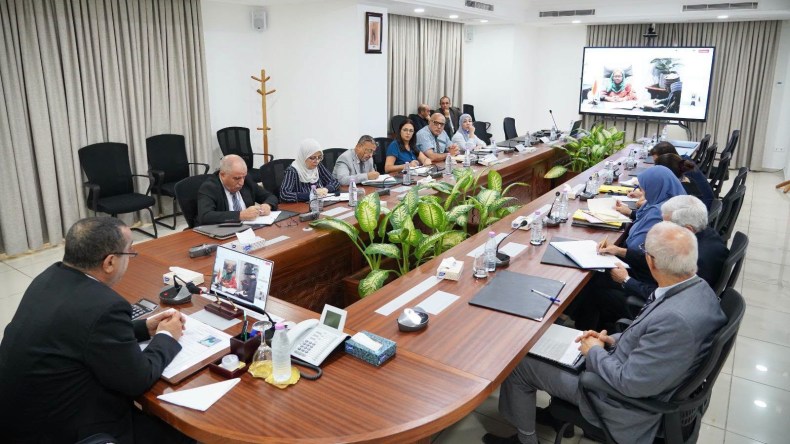
Algeria and Niger are accelerating the implementation of joint electricity projects, including a main project with a 40-megawatt capacity, marking a significant step in their bilateral energy cooperation. This intensified collaboration is a direct result of directives issued by the President of the Republic, Abdelmadjid Tebboune, showing the strategic importance placed on these initiatives by the Algerian leadership. To this end, Minister of Energy and Renewable Energies, Murad Adjoul, met with the Minister of Energy of the Republic of Niger, Amadou Hawa, via videoconference on Thursday. The high-level meeting aimed specifically to accelerate the implementation of bilateral cooperation projects within the key energy sector, reflecting a shared commitment to enhancing energy security and infrastructure in Niger.
Key Project Details
Central to the discussions were several key projects between Algeria and Niger, notably the construction of a mobile power station designed with a total capacity of 40 megawatts. This mobile power station is intended to operate using two gas turbines, each providing 20 megawatts, for a combined output of 40 megawatts. This innovative design ensures flexibility and efficiency in power generation. During the recent videoconference, officials delved into the progress of a detailed study focused on the electrification of the Agadez region, a critical area for development in Niger. The meeting specifically discussed the ongoing advancements and challenges related to this electrification study, noting the careful planning involved in such large-scale infrastructure undertakings.
Additionally, the meeting addressed other key initiatives, such as plans to strengthen the electricity transmission network within the Agadez region. This particular project aims to improve the reliability and reach of power distribution across the area. Another significant project under discussion involved enhancing the electricity transmission network specifically for the city of Niamey, the capital of Niger, which is vital for urban development and economic activity. These concerted efforts aim to bolster the power infrastructure in Niger, providing a more stable and extensive electricity supply to both urban and rural populations. The discussions showed the practical steps being taken to translate strategic visions into tangible energy solutions, focusing on both generation and distribution capabilities.
Broader Energy Sector Support
The recent videoconference served as a full review of the progress of bilateral cooperation projects, specifically those aimed at supporting and developing the electricity sector in Niger. Ministers discussed a project to establish an electrical equipment bank within Niger, a key step towards ensuring the availability of necessary components for maintenance and expansion of the power grid. The ministers addressed the broader objective of accompanying the Republic of Niger in restructuring its energy sector. This full assistance includes a key component involving reorganizing and restructuring the national electricity company, Nigelec. The goal is to enhance Nigelec's operational efficiency, financial sustainability, and overall capacity to manage Niger's electricity supply.
These initiatives show the full nature of the energy partnership between Algeria and Niger, extending beyond specific power generation projects to foundational improvements in infrastructure and governance. The focus remains on strengthening Niger's overall energy capabilities, ensuring that the country has the institutional and technical framework to sustain its energy development. The discussions noted a shared understanding that strong energy infrastructure and governance are essential for long-term economic growth and social development in Niger. This holistic approach signifies a deep commitment from Algeria to support Niger's energy independence and stability, recognizing the critical role that reliable electricity plays in national progress.
Expanding Future Cooperation
Discussions between the two nations also focused on broadening their collaborative efforts beyond current projects, looking towards a future of enhanced energy partnership. This expansion includes exploring new avenues in renewable energies, recognizing the global shift towards sustainable power sources and the potential for solar and wind energy in the region. The development of electricity grids was also a significant point of discussion, aiming to create more interconnected and resilient networks capable of handling increased demand and diverse energy sources.
Officials deliberated on strengthening cooperation in engineering and studies, aiming to foster greater technical synergy and ensure that all projects are underpinned by strong planning and execution. An exchange of expertise was also a key point of discussion, indicating a strong commitment to sharing knowledge, best practices, and technical know-how between Algeria and Niger's energy sectors. This mutual learning approach is expected to benefit both countries by enhancing their respective capacities. These areas represent potential future projects and initiatives designed to enhance the long-term energy partnership between the two countries, building on the foundation of current successes and paving the way for sustainable energy development across the region.