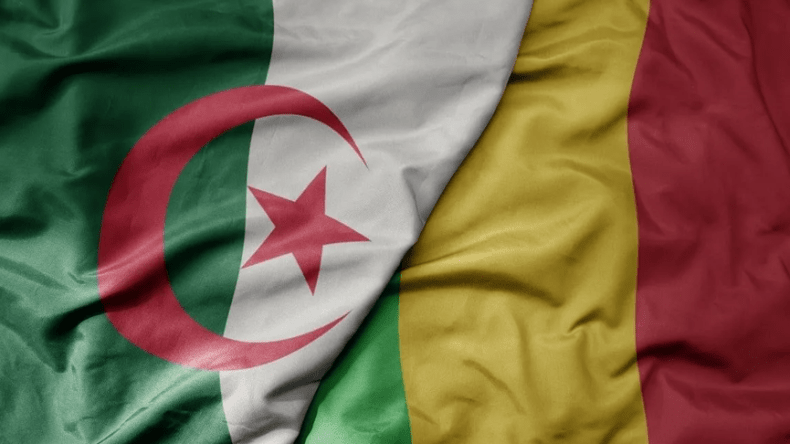
Algeria and Mali have moved to restore full diplomatic relations, with Algeria announcing the reopening of its national airspace to Malian air traffic and the return of its ambassador to Bamako, both effective Friday, July 10, 2026. The Algerian government decided to completely reopen its national airspace to Malian air traffic, which had been restricted for Malian flights for an extended period. This decision shows a significant shift in the bilateral relationship. President Abdelmadjid Tebboune ordered the return of Kamal Raitab to his post as ambassador extraordinary and plenipotentiary to Mali, signaling Algeria's commitment to diplomatic normalization.
Diplomatic Reopening Details
Mali has also decided to return its ambassador extraordinary and plenipotentiary to Algeria, mirroring Algeria's diplomatic initiative. Concurrently, Mali will reopen its airspace to all aircraft traveling from or to Algeria, according to official statements from both nations. These reciprocal actions mark a significant and positive step in normalizing bilateral relations, which had been strained for over a year. The mutual reopening of airspaces is particularly key for regional connectivity and trade.
The Algerian ambassador, Kamal Raitab, had been recalled for consultations on April 7 of the previous year, 2025, contributing to the diplomatic rupture between the two nations. His return to Bamako, alongside Mali's similar diplomatic gestures, signals a mutual commitment to re-establishing full diplomatic engagement after a year-long suspension. This exchange of ambassadors and the reopening of air travel routes are concrete measures aimed at rebuilding trust and cooperation between the two West African neighbors.
Regional Dynamics and Security Concerns
The restoration of diplomatic ties between Algeria and Mali follows significant shifts in regional alliances and diplomatic postures. The tripartite alliance comprising Burkina Faso, Mali, and Niger recently dissolved, marking a notable change in the geopolitical landscape of the Sahel. Following this development, both Burkina Faso and Niger subsequently returned their ambassadors to Algeria, indicating a broader trend of diplomatic re-engagement with Algiers in the region. These events highlight the interconnectedness of diplomatic relations within the Sahel and the impact of regional alliances on individual state-to-state interactions.
Mali's relationship with Algeria has also been complicated by its previous actions regarding the Peace and Reconciliation Agreement. Mali abandoned the accord, which was signed in Algiers in 2015, more than two years ago. This agreement was a cornerstone of regional stability efforts, particularly in addressing long-standing grievances and fostering peace in Mali's northern regions. The decision by Mali to abandon this critical agreement had created additional friction and challenges in its diplomatic dealings with Algeria and other regional partners.
Algeria shares an extensive border with Mali, stretching approximately 1,500 km. This long and often porous border notes the intrinsic security interests and regional dynamics connecting the two nations, making diplomatic stability key for both countries. The shared frontier is a key factor in regional security considerations, particularly given the persistent challenges in the Sahel region, including cross-border movements and the presence of armed groups. The length of this border necessitates close cooperation on security matters and shows the importance of a stable diplomatic relationship.
Expert Analysis and Future Outlook
Algeria has historically provided substantial aid to its Sahel neighbors, including Burkina Faso, Mali, and Niger, demonstrating its commitment to regional stability and development. This assistance has often taken the form of generous grants, supporting various sectors in these nations. The Algerian state-owned company Sonelgaz has been actively involved in constructing power stations in these countries, contributing significantly to their infrastructure development and energy security. Such initiatives show Algeria's broader engagement in regional development and stability, positioning it as a key partner in the Sahel.
The security situation within Mali has reportedly deteriorated significantly in recent times, marked by escalating activity from armed opposition groups across various parts of the country. These groups have, according to reports, besieged the capital, Bamako, on multiple occasions, posing a direct threat to the central government. They are said to have achieved noteworthy military victories in the northern and northeastern provinces of the country, indicating a persistent challenge to state authority and regional stability. This worsening security landscape makes the re-establishment of diplomatic ties with a key regional power like Algeria all the more critical for Mali, potentially opening avenues for renewed cooperation on security and counter-terrorism efforts. The diplomatic rapprochement could offer a pathway for greater coordination in addressing the complex security challenges facing both nations and the broader Sahel region.