Adidas was compelled to issue an apology in Arabic and English after a campaign featuring an Israeli soldier sparked widespread outrage. The sportswear giant faced significant backlash following the appearance of شاليف بيتون (Shalev Biton) in promotional material. The controversy prompted Adidas to address public criticism regarding the campaign, which quickly drew condemnation from various groups and individuals.
Campaign Context and Controversy
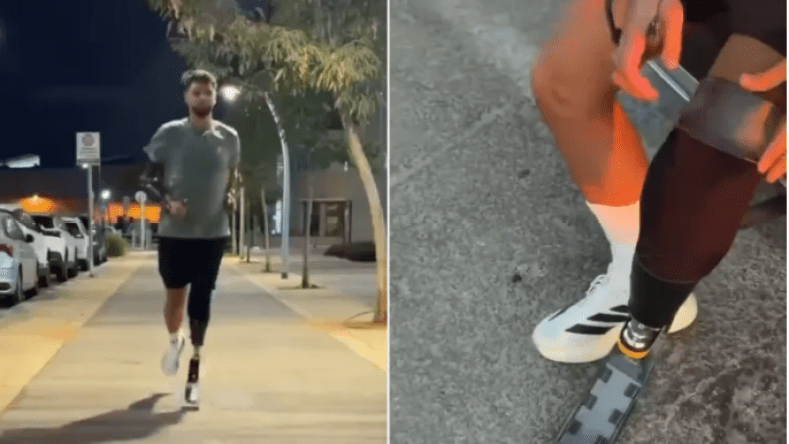
The apology from Adidas followed a campaign that included a prosthetic-legged Israeli soldier among athletes with disabilities. The Israeli soldier featured was Shalev Biton, who lost his left leg after being injured during his service in the Israeli army in 2021. Biton was one of 11 athletes with disabilities who appeared in posters inside Adidas stores in Tel Aviv, specifically chosen to highlight the brand's commitment to inclusivity. The campaign aimed to showcase individuals who have overcome physical challenges, aligning with the company's broader initiatives.
The campaign was designed to promote Adidas's 'Single Shoe' service. Adidas launched this service specifically to allow individuals with limb differences or loss to purchase just one shoe, rather than a pair. This initiative aims to promote inclusion and meet the individual needs of these athletes, ensuring that practical barriers do not hinder participation in sports or access to appropriate footwear. The 'Single Shoe' service was initially launched in several European countries before expanding to other regions, including the Middle East, reflecting a global strategy to cater to a diverse customer base with varying needs.
Gaza Amputee Crisis Ignored
Activists viewed the campaign's focus on amputees, featuring an Israeli soldier, as ignoring the plight of thousands of Palestinians who have lost limbs due to the ongoing conflict in Gaza. Critics argued that while the campaign ostensibly promoted inclusion, its specific choice of a spokesperson from the Israeli military, given the current geopolitical context, was insensitive. Activists considered the use of an Israeli soldier's image in a campaign focused on amputees to ignore the reality of thousands of Palestinians who lost limbs due to the war on Gaza. This perceived oversight fueled much of the public anger and calls for accountability.
World Health Organization (WHO) estimates from May indicated that Gaza experienced over 5,000 amputations resulting from injuries sustained during the war. These figures highlight a severe humanitarian crisis, with a significant portion of the population suffering life-altering injuries. Additionally, the region recorded more than 22,000 severe limb injuries within the same period, showing the widespread impact of the conflict on civilian health. Children represent approximately a quarter of both the amputation and severe limb injury figures, according to the WHO data, emphasizing the devastating toll on the youngest members of the population. This stark contrast between the campaign's message and the grim reality in Gaza became a central point of contention for many critics.
Public Reaction and Boycott Calls
The campaign sparked widespread anger and led to numerous calls for a boycott against Adidas. The backlash quickly gained momentum across social media platforms and among advocacy groups. Activists and notable figures, including Spanish actor Javier Bardem, launched appeals to boycott the sportswear company, urging consumers to discontinue purchasing Adidas products. The actor's involvement brought additional international attention to the controversy. Adidas subsequently published an apology on its 'Adidas Arabia' account on Instagram, attempting to address the growing criticism. The company has faced similar pressure in the past; in 2018, Palestinian sports organizations urged Adidas to end its sponsorship of the Israeli Football Association, citing concerns over teams based in Israeli settlements in the occupied West Bank.
Historical Precedents and Adidas's Response
Adidas acknowledged that an image used in a local activity caused "reservations and strong reactions." The company stated the campaign was local and not part of a global campaign, attempting to differentiate it from its broader international marketing efforts. Adidas clarified that the Instagram post containing the apology was temporary and disappeared after 24 hours, a common practice for time-sensitive communications on the platform. This is not the first time Adidas has faced such pressure regarding its operations or marketing in the region. In 2012, the sportswear company faced boycott calls for sponsoring a marathon passing through occupied Jerusalem, drawing criticism from groups who viewed it as legitimizing Israeli control over disputed territories. More recently, in 2024, a controversy arose over a campaign where Palestinian-American model Bella Hadid was excluded after Israeli objections, leading to an apology from Adidas regarding the incident. These repeated instances highlight the complex and sensitive geopolitical landscape in which global brands like Adidas operate, particularly when their campaigns intersect with regional conflicts and human rights issues. The company's ongoing challenges show the careful balance required to navigate diverse markets while maintaining brand reputation and adhering to corporate values.